Painting women gathered in circles
I paint what I can’t stop thinking about. Lately, that has been women in relationship with each other. The way we form circles and half circles wherever we are, on sofas, around tables, along kitchen counters, talking, listening, and doing for each other what other relationships might not.
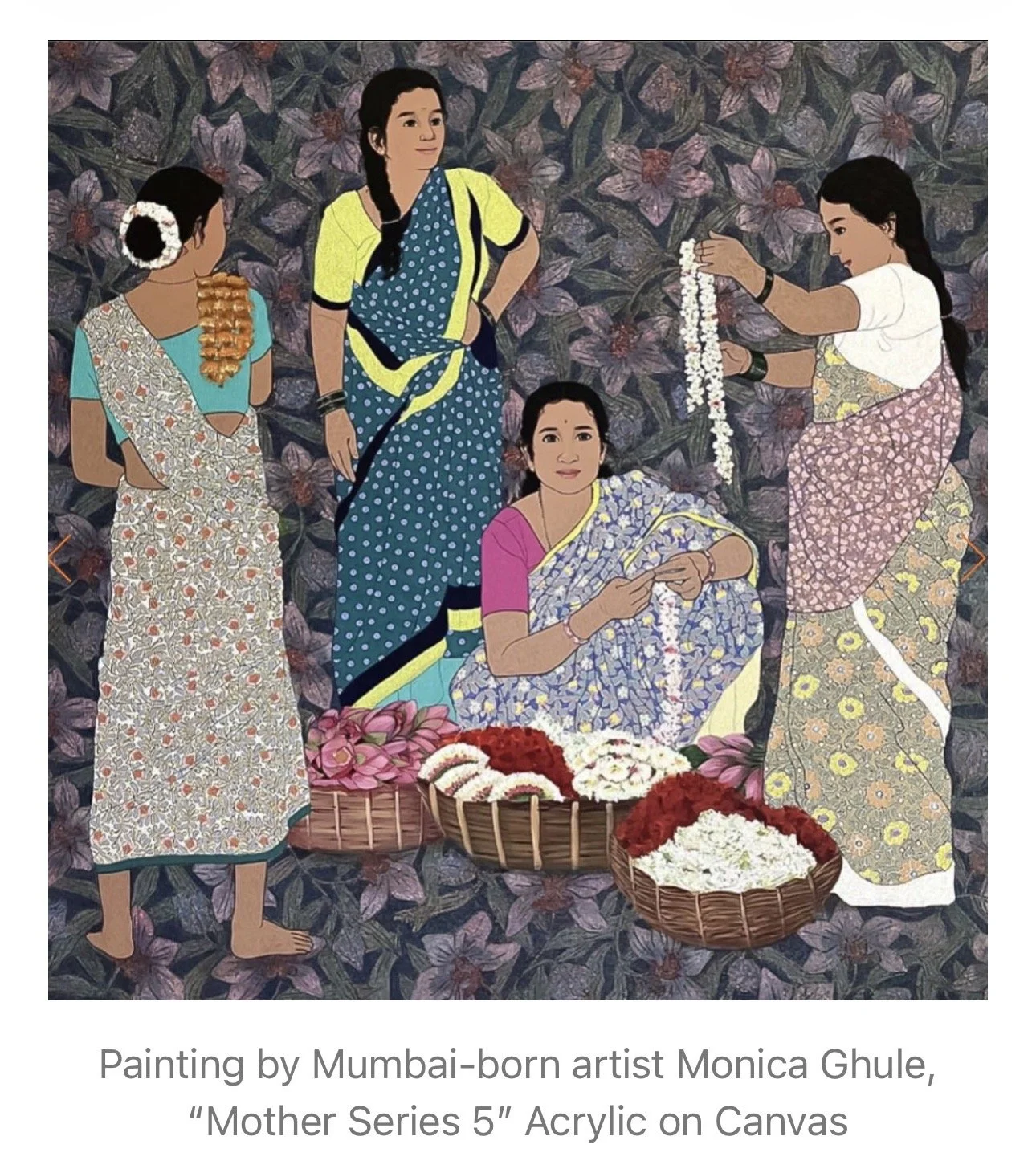
The women I return to often in my mind’s eye are my aunties. I grew up with six of them, my mother’s sisters. I was always surrounded by some combination of pairs or trios of aunts. As a child, I sat listening to them, receiving hugs and food made with love, noticing the side eye and the tension between one or two of them.
While I can write quite a bit about my personal experience with women who gather in circles, I much prefer to write about what I learned in the research I’ve been doing on this topic.
As a painter, I let my personal experiences help me start my art projects but what keeps me showing up day after day is the research and reading I do in between the work. I really like getting all tied up in a bunch of research articles, books, films and literature on a specific topic.
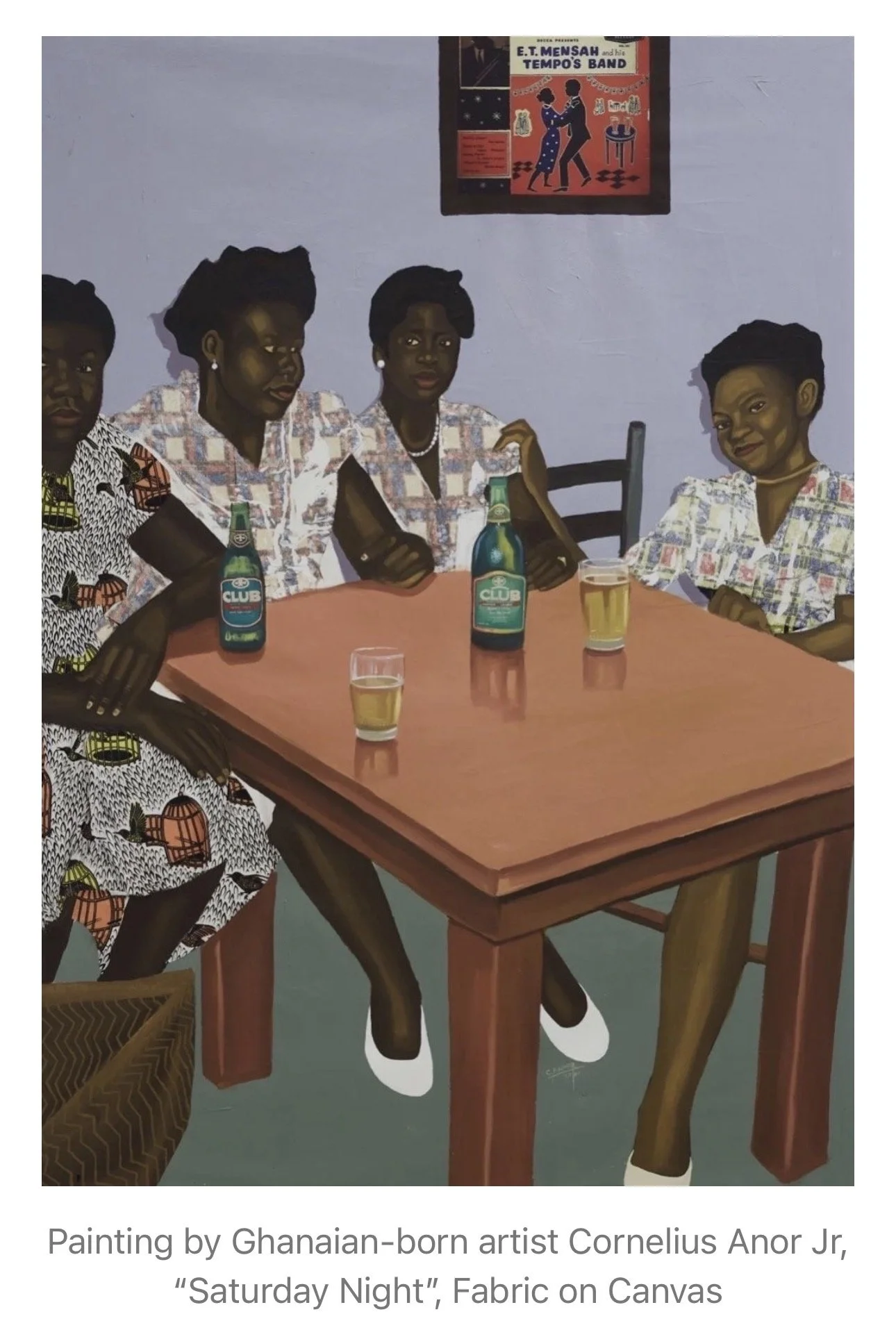
So, I came across this academic research titled, “Female cooperation: evolutionary, cross-cultural and cross lifespan perspectives (2022). The study is about how female cooperation has been under appreciated, rarely studied. The authors made three major findings. They aren’t breaking news with their findings, it confirms what we all instinctively know but it was helpful to read about it in a scientific sense.
First, women rarely raise children alone. Throughout human history, women have depended on support from grandmothers, sisters, friends, and other women. This is known as “cooperative breeding model” (needs a better name) which helps children survive.
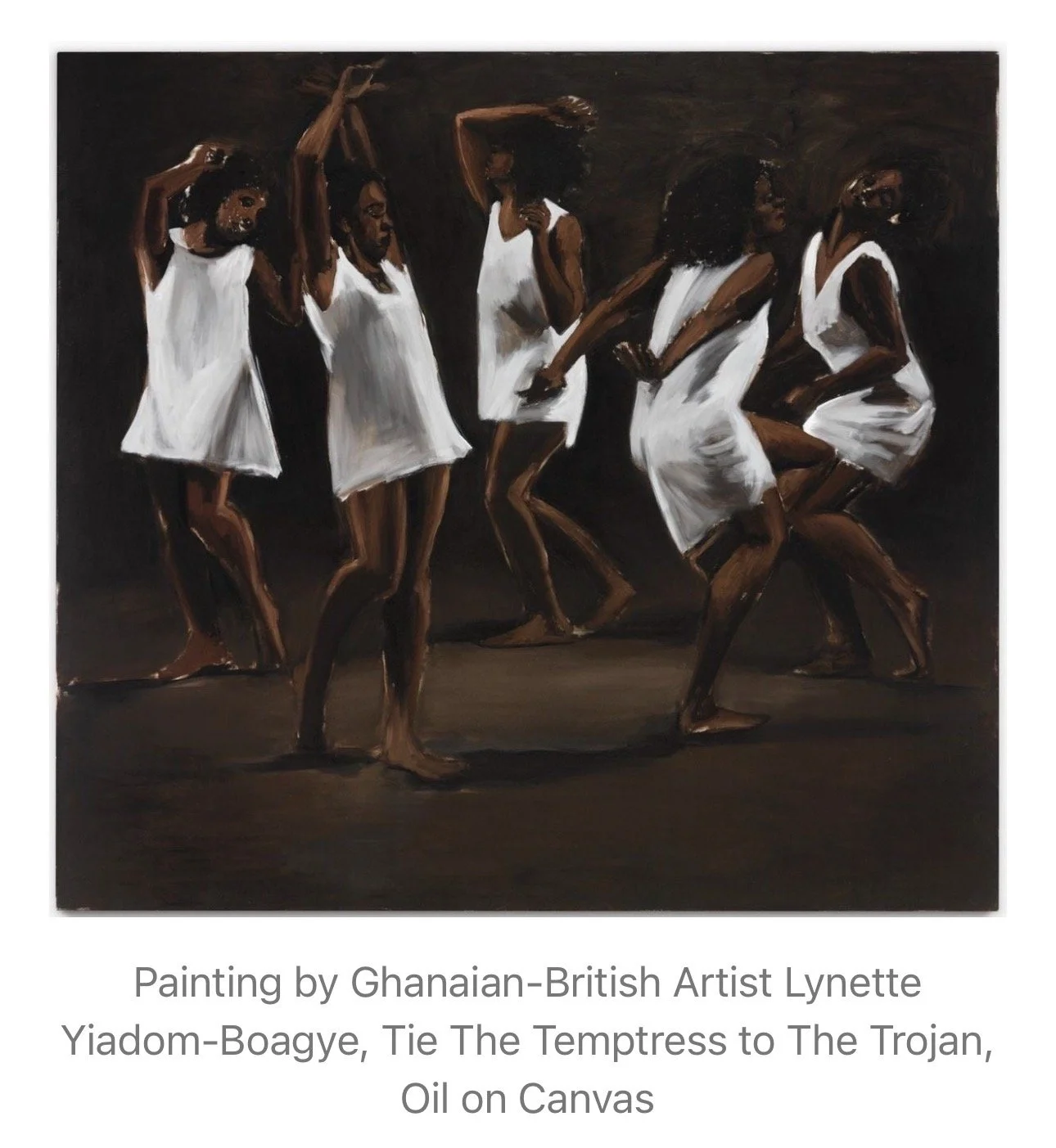
There’s a nugget in the study that among Central African hunter-gatherers, the average childcare network is 12 to 1, meaning on an average there is 12 different possible caretakers for each infant in their midst. I thought immediately of my Ghanaian childhood, where my mother never seemed to need an escape from us, not because motherhood wasn't demanding, but because there was always another woman close by to step in.
This also made me think of Gloria Naylor's book The Women of Brewster Place which shows a group of women who share in each other’s grief, hardships and raise children across households.
The second finding is that women’s friendships are often cooperative across culture, these circles of women provide emotional support, food sharing, information exchange, and protection during life stages.
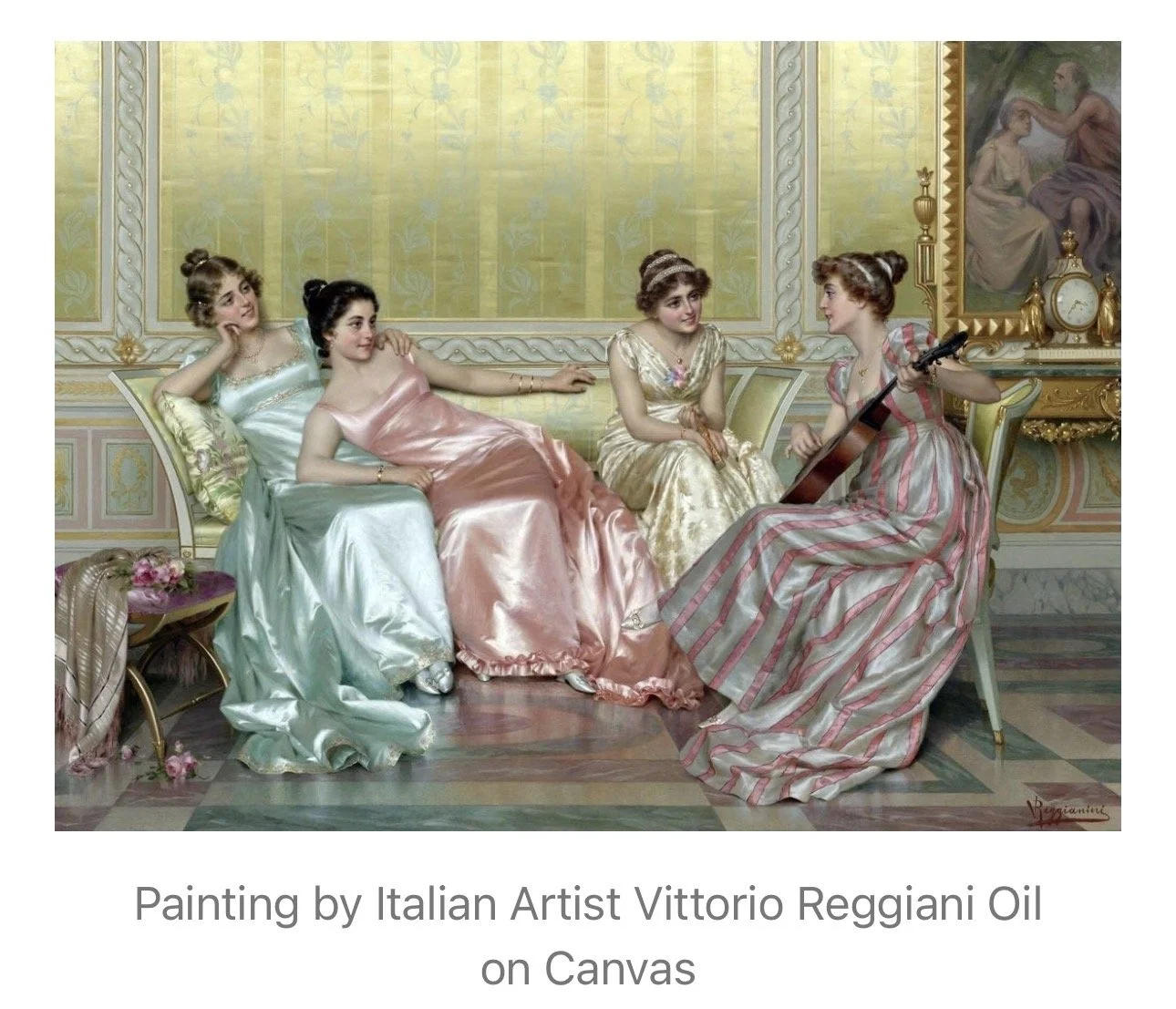
The study noted that American Great Plains women would gather in the late summer to pick berries, they also worked in groups to process and tan the hides that were used to make clothing and tipi covers before the onset of winter.
I imagine during these shared chores, there was information sharing on the latest tidbit, health remedies, supporting each other about emotional life stresses.
Since I've been also studying Harlem Renaissance literature, my mind went to how literary salons, reading circles, and women's clubs became sources of bonding, learning, and community building.
The third is that culture matters. How women cooperate vary widely across societies. In some cultures, women cooperate mostly with their family members; in others, friendships and community ties are equally important. There’s a quote in the article that says, “without women, no big ritual could function.”
It was a timely anecdote because just last night I attended a traditional Ghanaian funeral rites. In Ghanaian culture, a funeral is not a single event but a series of gatherings and rituals that are held over days.
One of these gatherings is when family and community members come together to honor the deceased. People wear black and red, with red symbolizing the depth of grief and loss. There are formal presentations to the bereaved family, monetary contributions to support funeral expenses, prayers, music, dancing, and remarks from family elders and the local chief or queen mother.
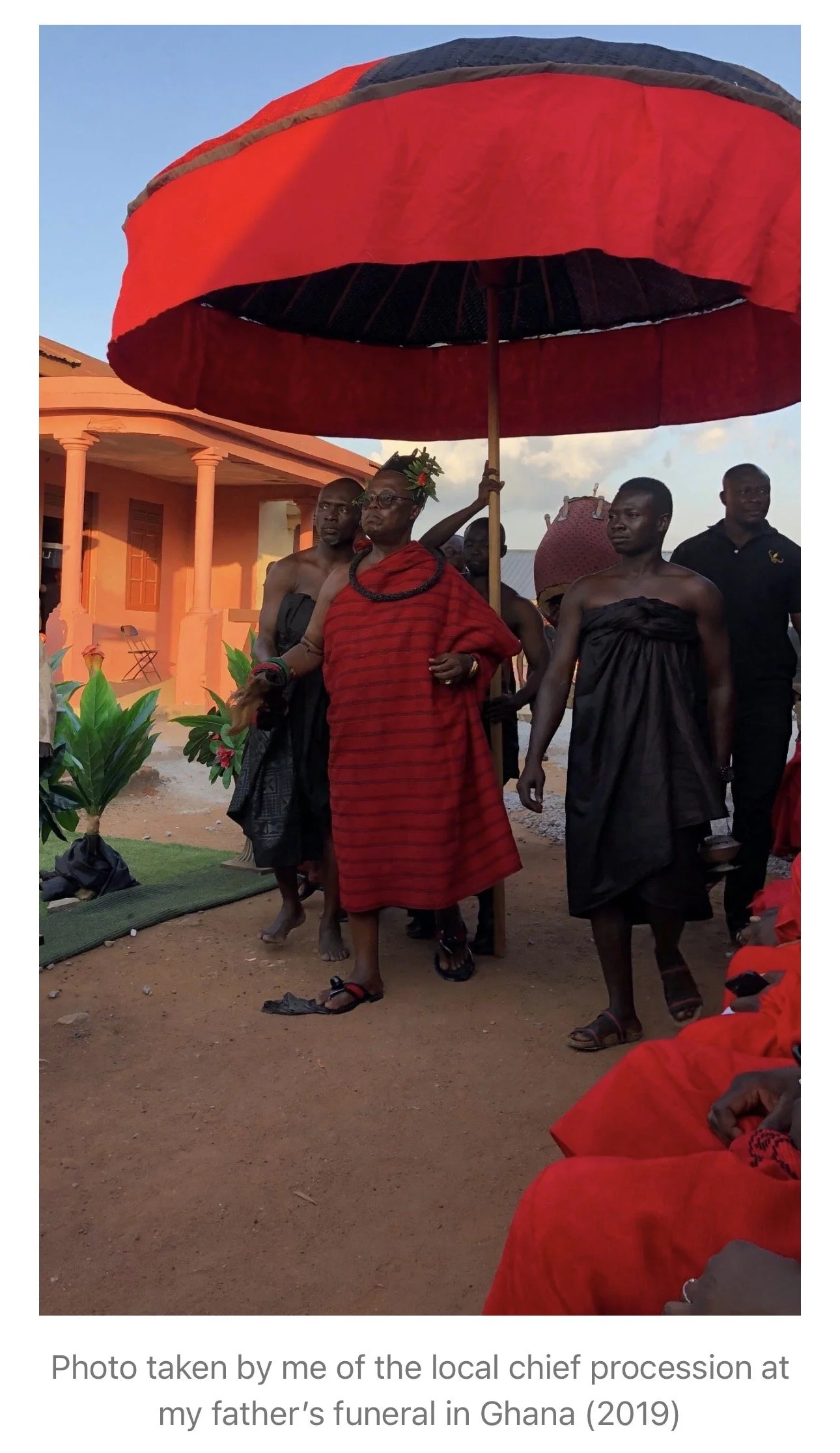
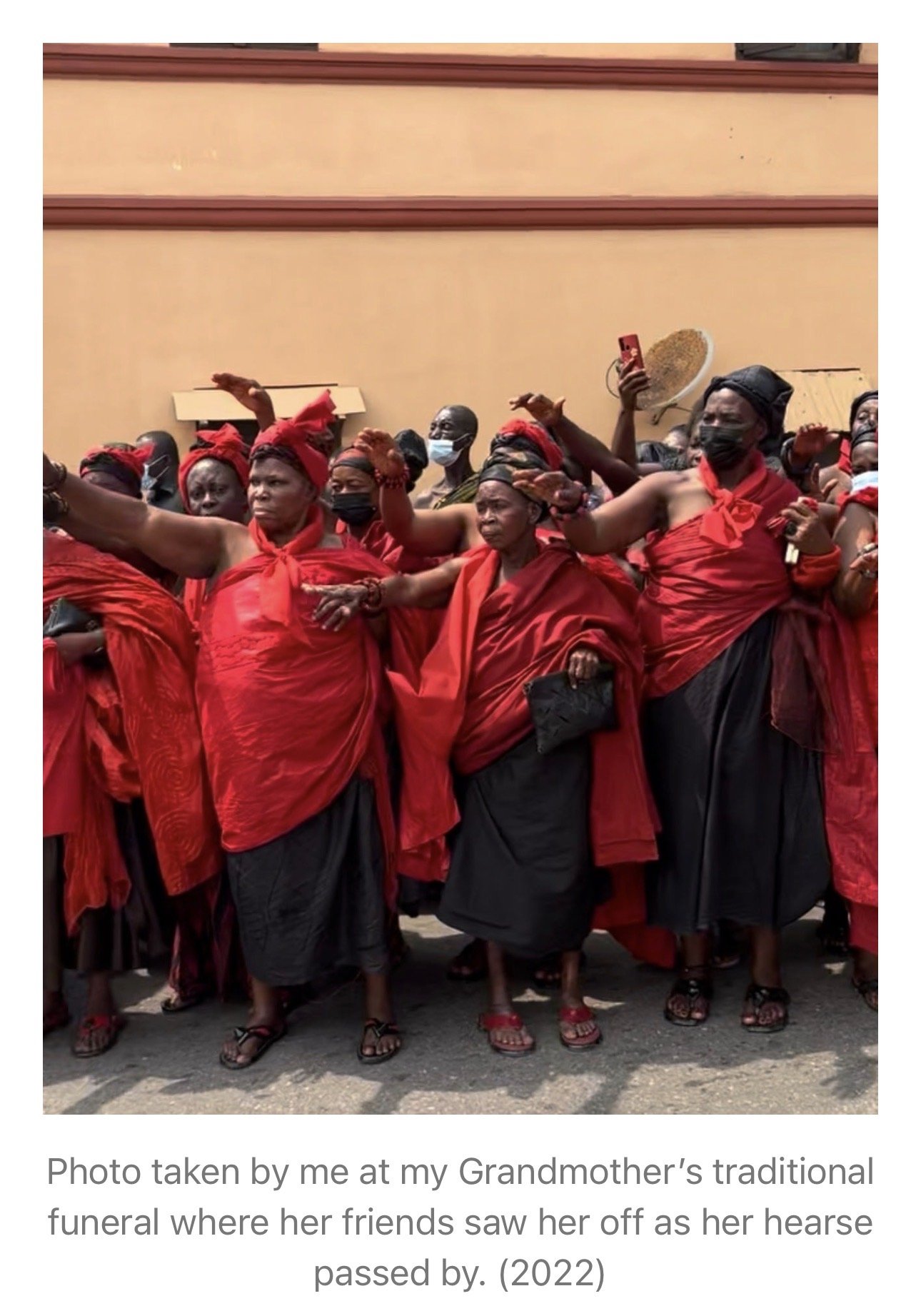
What most people see is the ceremony itself. What they don’t see is the battalion of aunties behind it. In the back rooms, there is always a group of women making the ritual possible. They organize the food, prepare the items needed for the various rites, coordinate the order of presentations, receive guests, track contributions, and ensure cultural norms are followed to a tee.
It is quite a sight, a flurry of women organizing, packing, directing, correcting, and occasionally fussing at one another when something is not done according to tradition. There is teasing too, particularly directed at the younger generation for not paying close enough attention to the oral knowledge being passed down.
Without women gathering together, many of our rituals simply would die on the vine and we have quite a lot for every life event like the birth of a child, for example, is marked by a naming ceremony held on the eighth day after birth, traditionally in the wee hours of the morning. Family members gather to formally welcome the child into the community and announce their name to the community. Women are at the heart of this ritual, too.
In my recent painting below titled “The Aunties” I imagine they are organizing an upcoming ritual that requires all hands on deck. The room is loud, there is simmering tension between one or two aunts, there’s also love and respect. The same old arguments making their rounds. Someone pausing to check on the food on the stove. There are the children of the aunties who vary in age running around or the older cousins are taking care of younger ones.
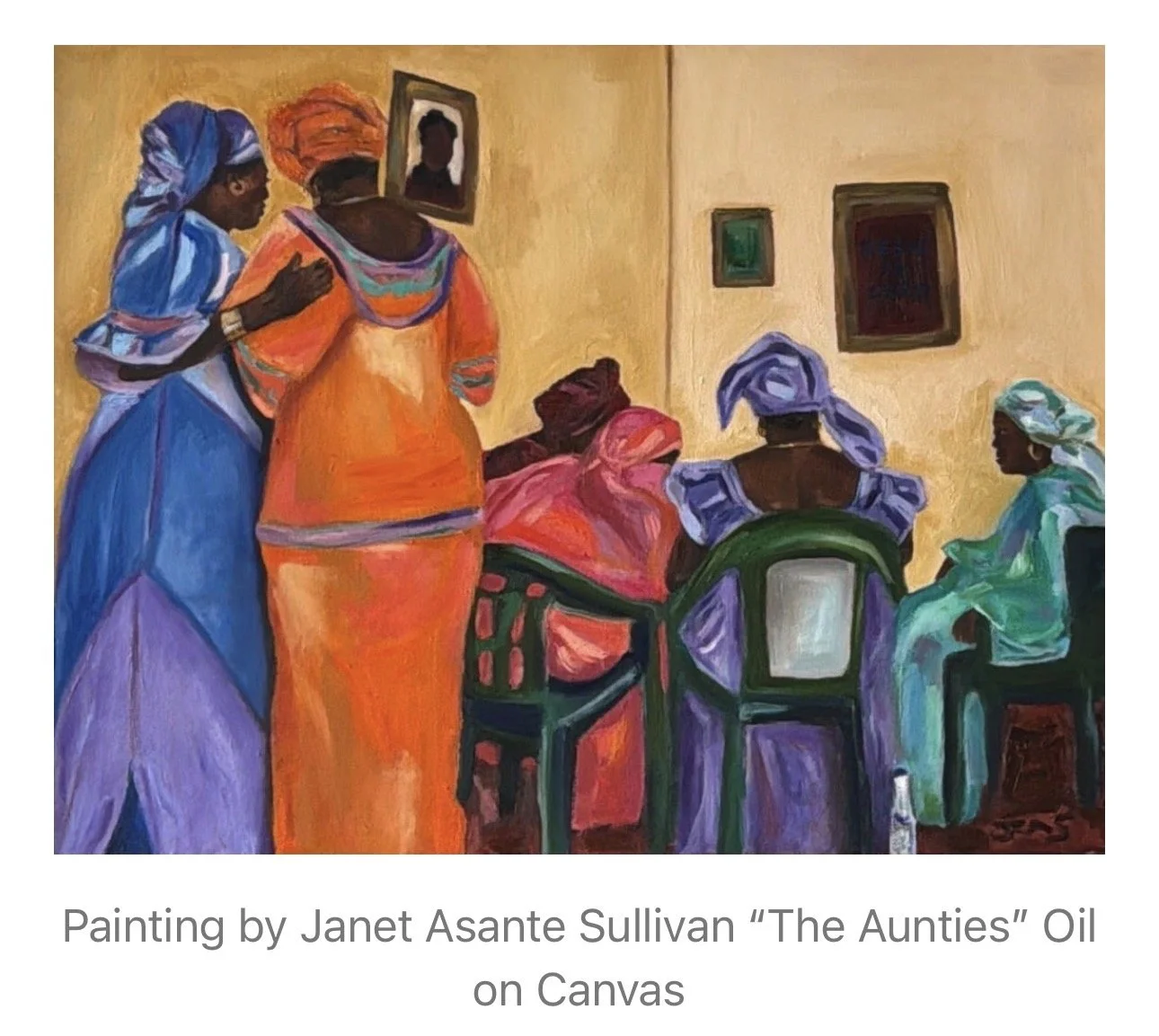
Someone shared in the comments that they imagined the aunts being viewed from a child's perspective, watching them. I so appreciated that because seeing all of your aunts, your mom among them, in community together as a child is what creates that warm feeling of belonging and memories.
One of my younger cousins actually commissioned me to make this painting for his new place so it feels like a spot on read of how he probably felt as a kid watching the aunts.
While making this painting, I wondered about other aunties. My search ended up on Ebay looking for vintage photographs of women gathered. I found a few and bought one I am considering for a future painting. It reminded me of the African aunties, but the Black American version in the late 60s or 70s or so sitting on lawn chairs, kids running around, smoking, chatting, gossiping.
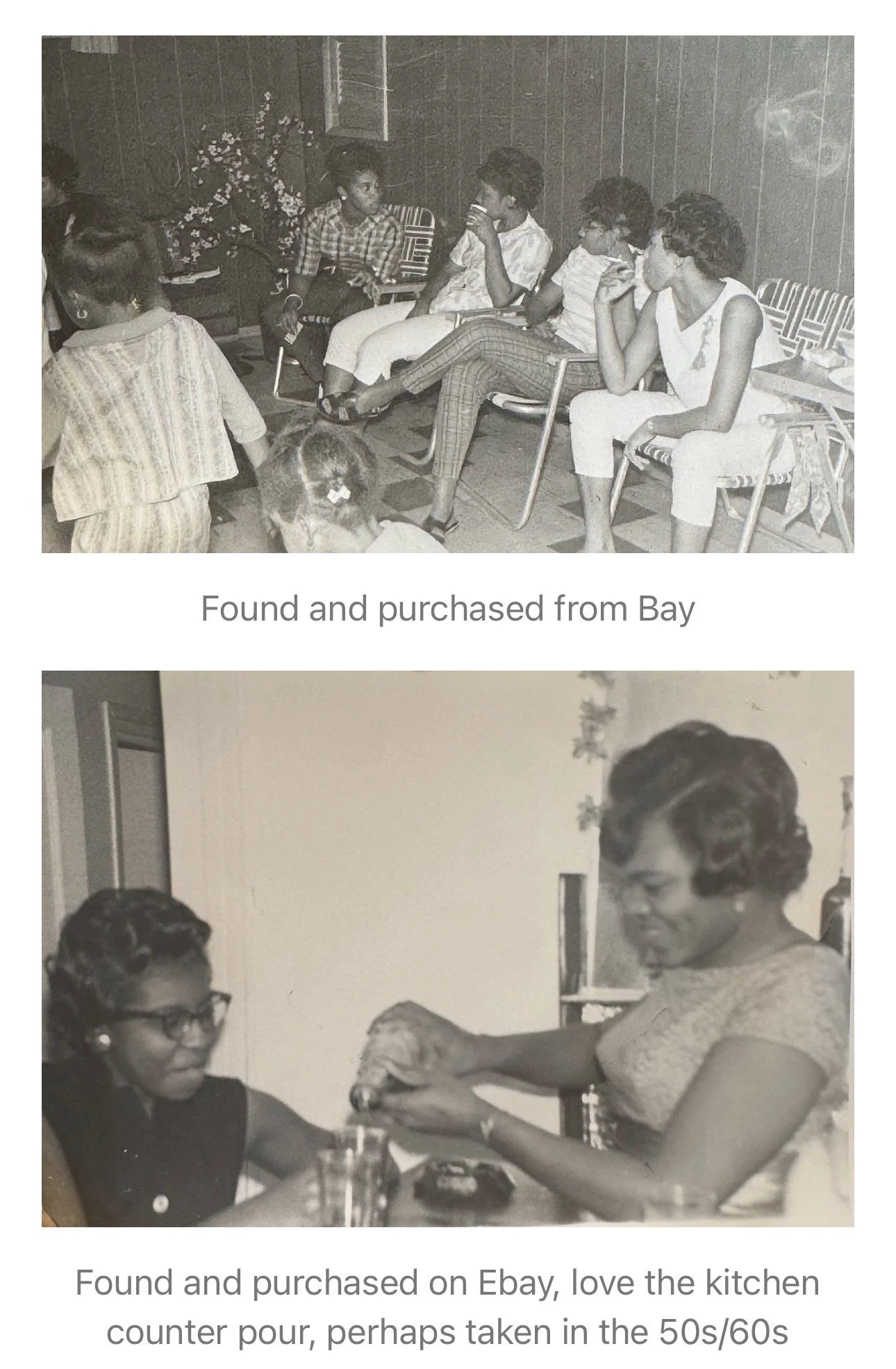
I’d love to find more images like this. If you have photos of your aunties (I love vintage ones), your friend groups (current times), women gathered in circles or half circles, around kitchen tables, on sofas, in bars/restaurants in conversation somewhere, I’d love to see them. You can email them to me JanetASullivanart@gmail.com.