What I read in 2025 and what’s on deck for 2026
I can’t seem to fully dive into my 2026 reading goals until I settle the score on what I read in 2025. So here’s a look at all the books I managed to read in between work, mothering, partnering, painting, traveling and living through our current timeline.
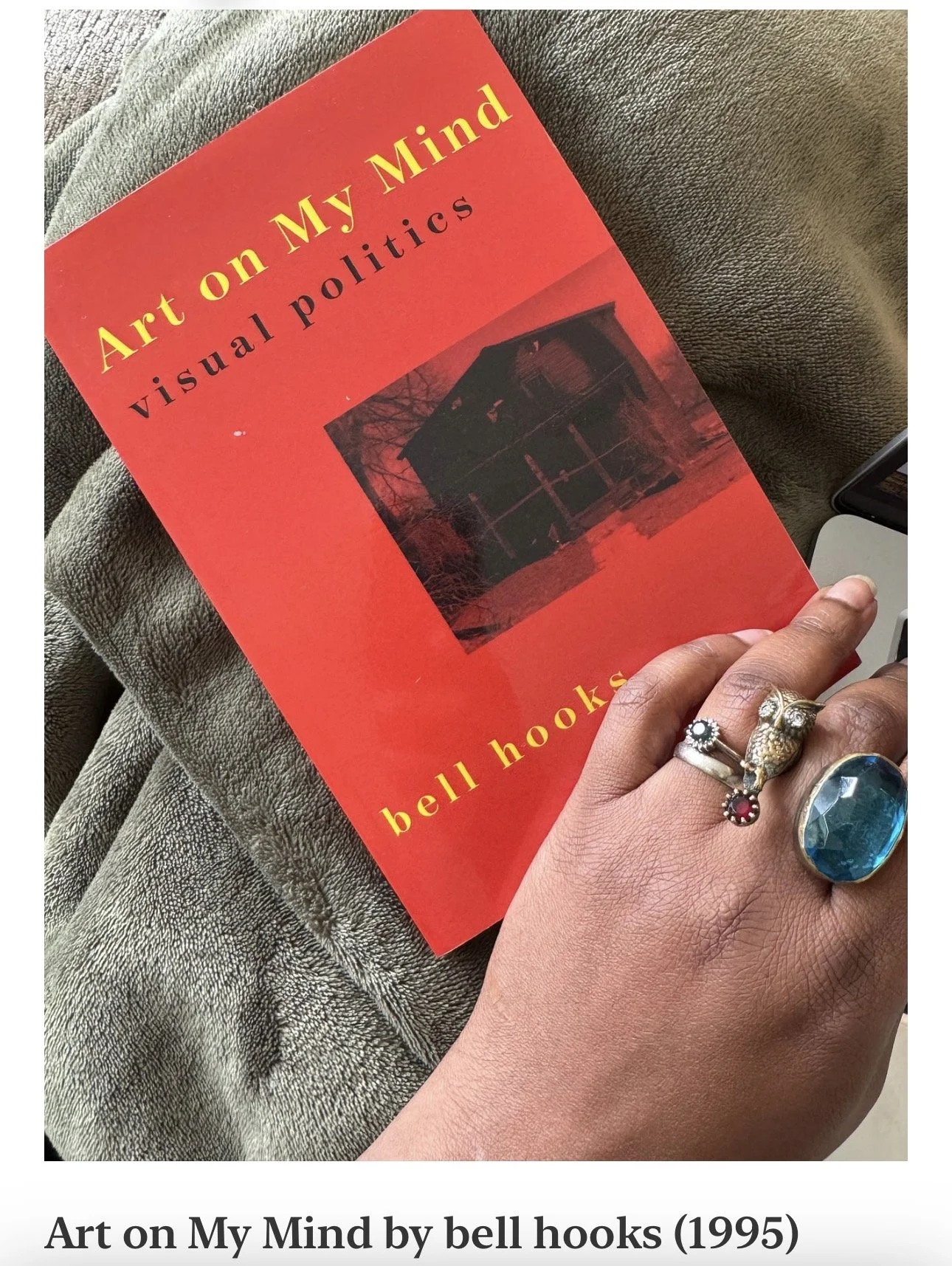
It is a book of essays about why art matters in everyday life. bell hooks writes that art shouldn’t belong only to museums or elites, but should be something people can see themselves in, learn from, and feel changed by. Throughout the book, she makes the case that art can be a source of healing and connection.
The book includes her interviews with artists of the time such as Alison Saar and Carrie Mae Weems. I enjoyed the sections where she shared her wisdom about art aesthetics and the creative process. There aren’t many art centered books written by Black women prior to 2000 so this one is special, especially one written by the brilliant, nerdy bell hooks.
On Civil Disobedience written by Henry David Thoreau in 1849, and Hannah Arendt in the late 1960s during the Vietnam War era.
This book places both of their essays side by side in one book.
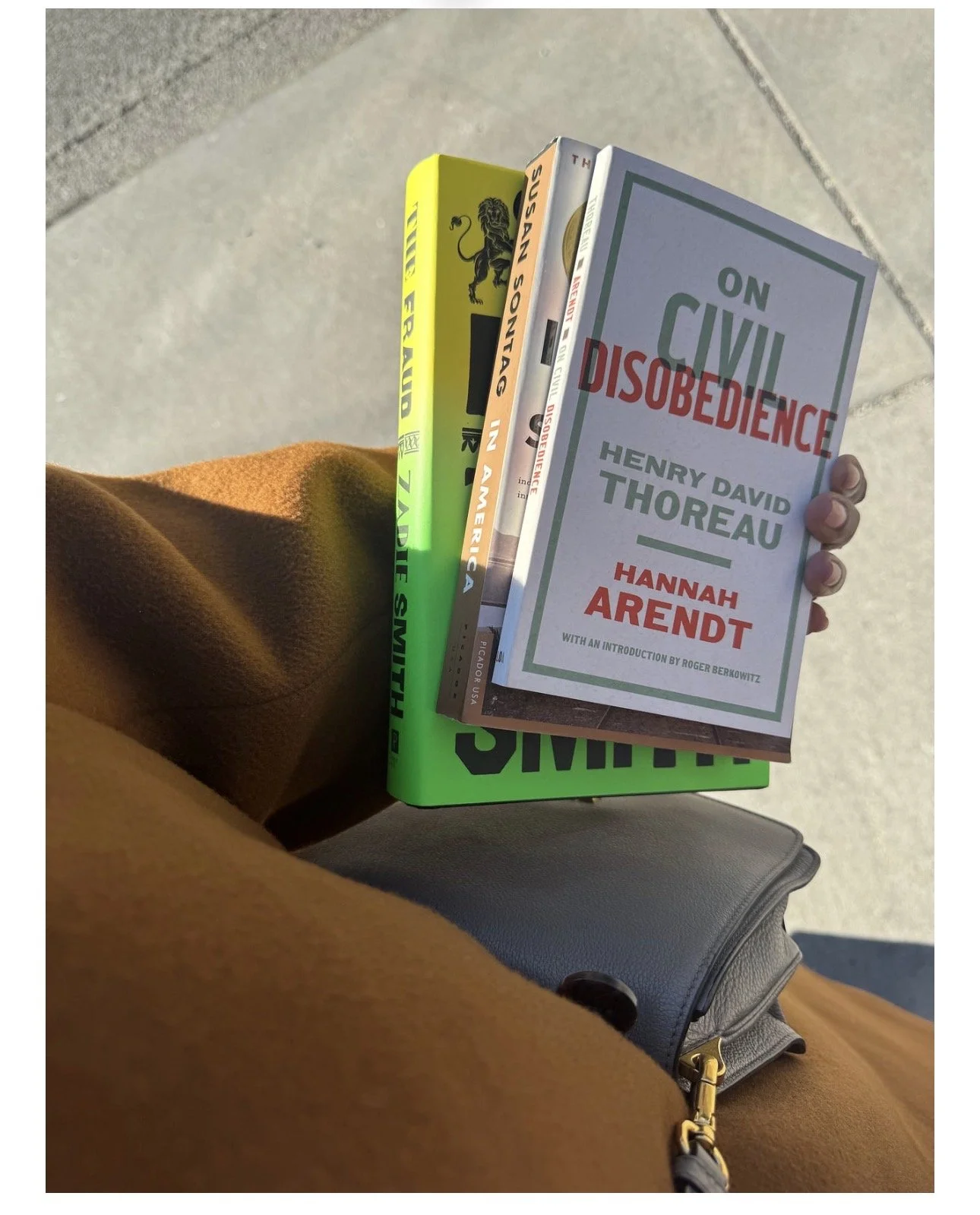
Thoreau’s essay is on his personal experience. In the 1840s, he refused to pay taxes because he did not want his tax payment supporting slavery or the Mexican-American War so he stopped paying his taxes for several years. (I had no idea Thoreau was such a badass.) That refusal landed him briefly in jail, and the experience sharpened his belief that people should not cooperate with laws or governments that violate their moral values. His argument: if a law is unjust, the most honest response is to withdraw your support, even if that comes with consequences.
Arendt approaches civil disobedience from a different angle. Writing in the 1960s, she looks at it less as an individual moral stance and more as a collective political act.
For her, civil disobedience happens when groups of citizens openly and nonviolently challenge laws that no longer reflect shared values. After reading both their thoughts, I wondered who will be the Thoreau or Arendt of our time.
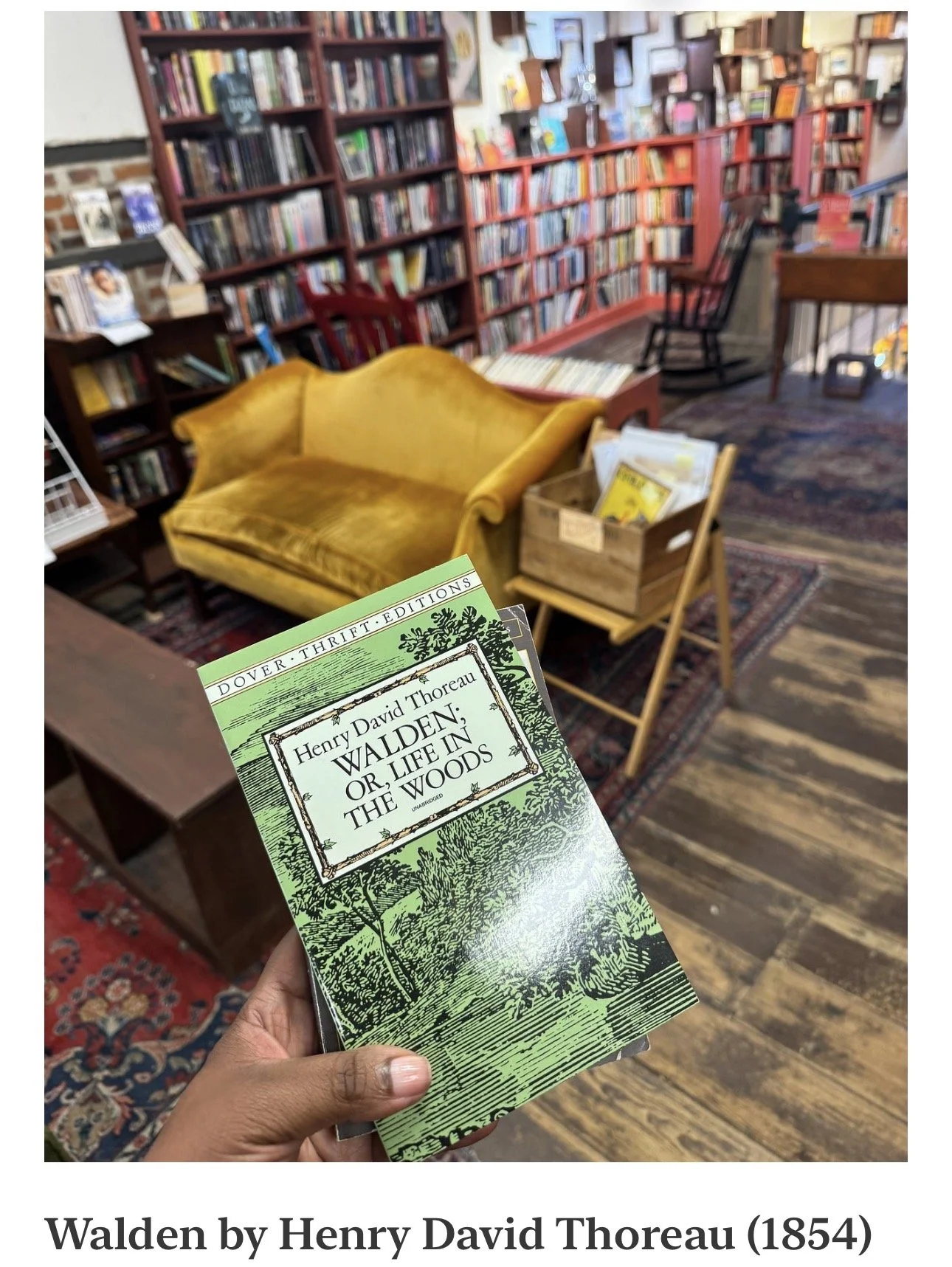
I read this book as part of my reading project focused on book themes on silence, solitude, and time. Walden captures all three. In July 1845, Thoreau moved into a small cabin at Walden Pond, where he lived for exactly two years, two months, and two days, seeking solitude.
Walden reflects on the lessons he learned while building the cabin and living simply.
Thoreau explores what it means to pare life down to what truly matters, questioning the rush, materialism, and overconsumption. The book is a blend of memoir and philosophy. Walden is organized as a series of essays, and the chapters I enjoyed most were Economy, Where I Lived, and What I Lived For, Reading, Solitude, and Visitors.
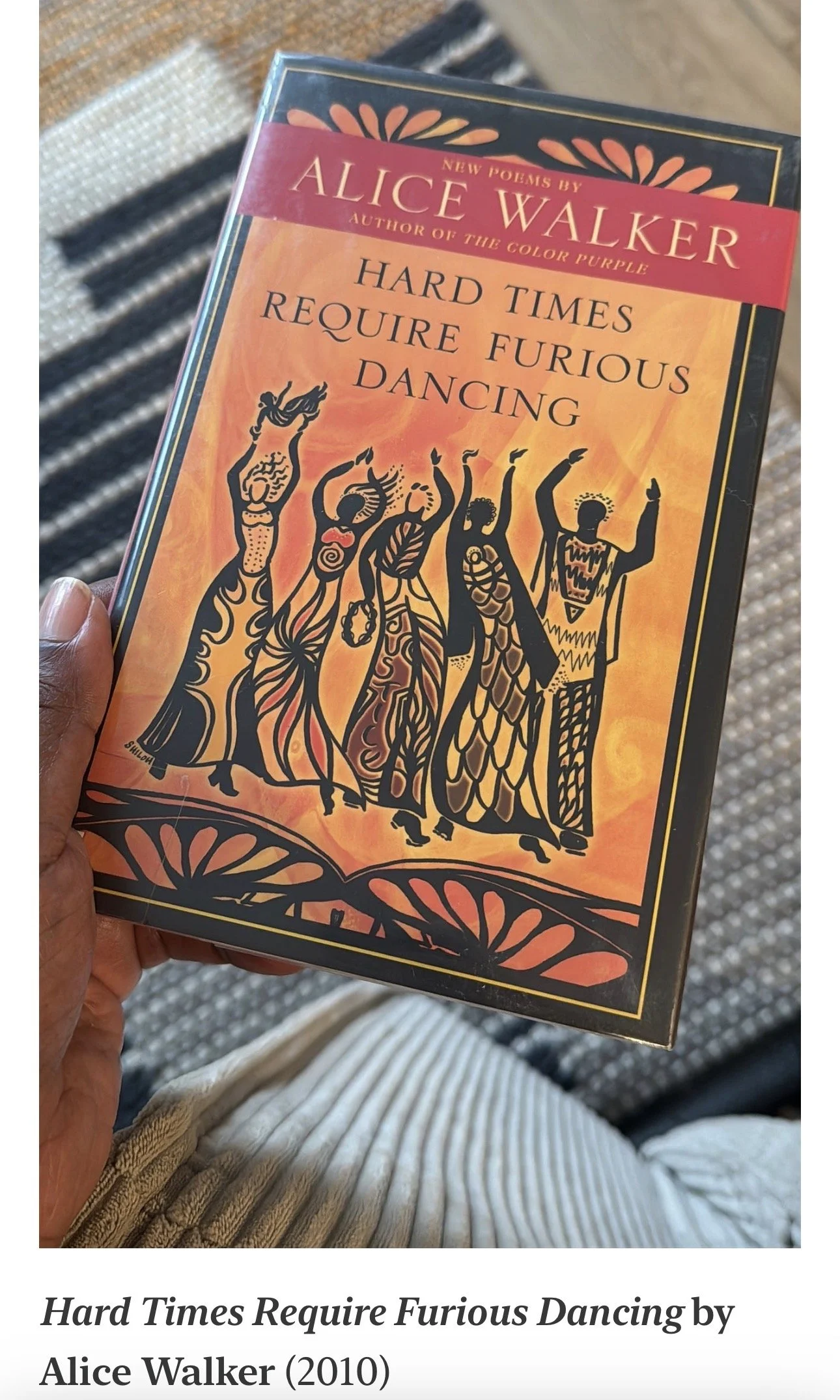
This is a collection of short essays and reflections. Walker weaves together politics, spirituality, art, and everyday life, arguing that creativity, joy, and moral clarity are essential responses to injustice and suffering. The book encourages readers to stay compassionate, and engaged, even when the world feels overwhelming. I remember thumbing through this in the library on a terrible news cycle day and wanting to sit with Alice Walker’s wisdom.
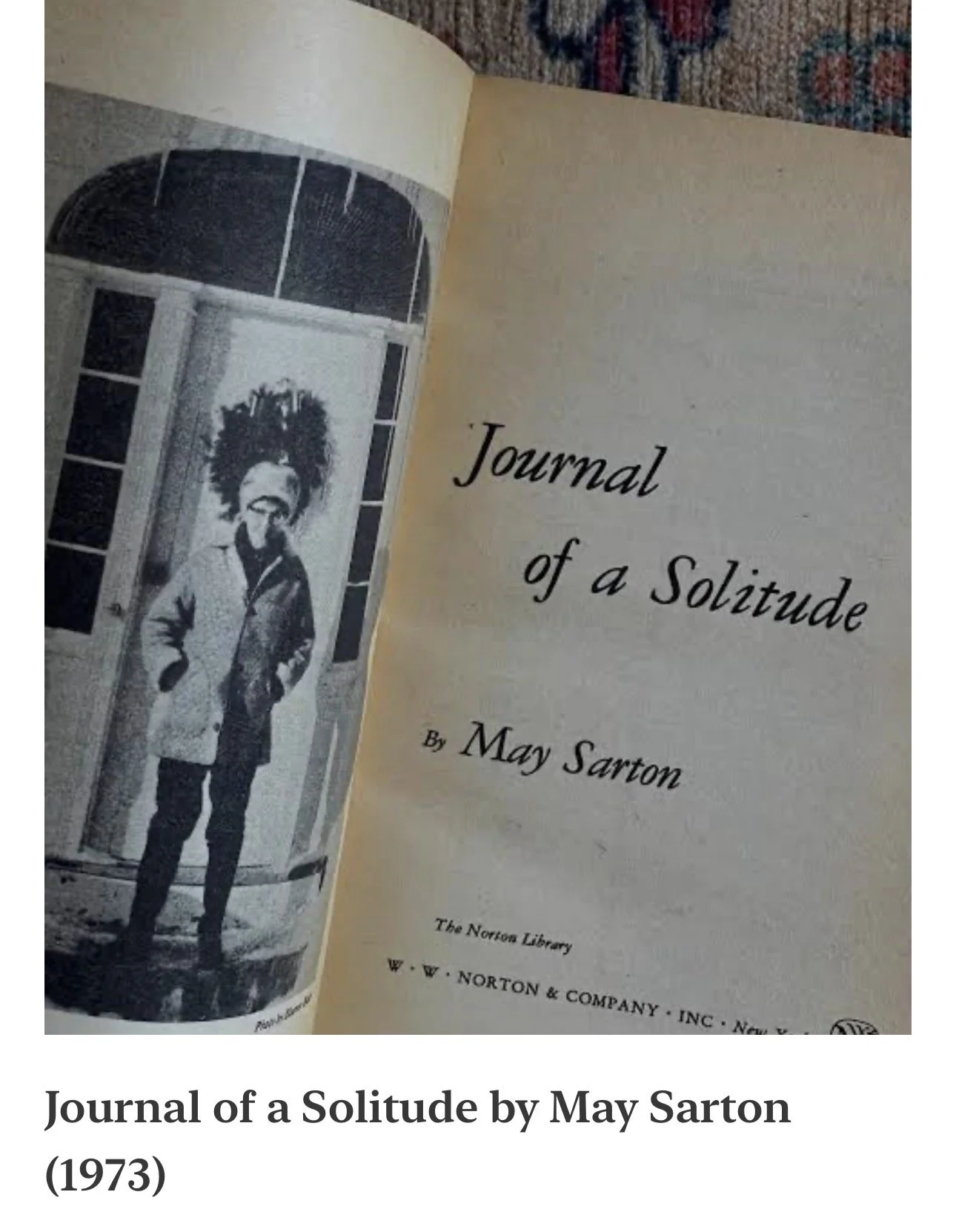
Another book I read as part of my reading project on silence, solitude, and time is Journal of a Solitude. Sarton, a Belgian-American poet and novelist who came out publicly as a queer woman in the 1950s, writes candidly and simply about living alone, tending her garden, navigating her mercurial moods, and finding pleasure in small domestic rituals.
The book is written as a dated journal. It isn’t dramatic or plot-driven; much of it is mundane, which is part of its intrigue. Most entries focus on observing the ordinary details of her life.
While she never names it directly, you get the sense she was battling a mood disorder and often found herself in spats with lovers and friends. What emerges is an honest portrayal of solitude—boring at times, self-soothing, noticing one’s shadows, and ordinary moments you find beautiful (like her vases of fresh flowers she wrote often about).
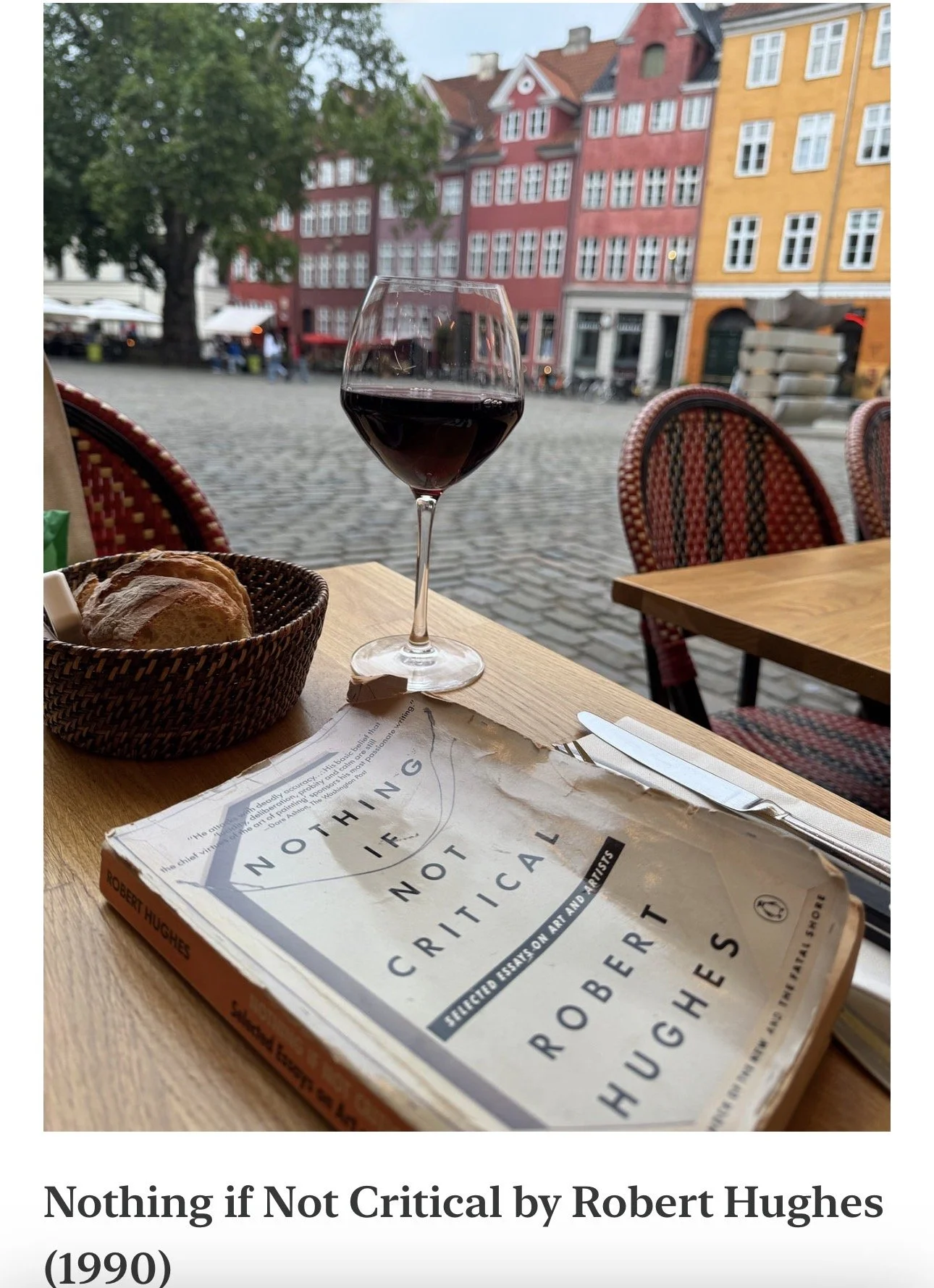
I found this book in a secondhand store in Philly and tucked it in my suitcase during my summer travel to Copenhagen. I read it because I was curious about art critics in the heyday of the 1970s and 1980s, when art criticism really carried weight.
The book is a collection of essays written over several decades, and Hughes doesn’t hold back. His opinions on modern and contemporary art are blunt and often harsh. He writes about artists, movements, museums, and the art world itself, pushing hard against hype, jargon, and trends. His criticism of Jean‑Michel Basquiat was by far the harshest, and it honestly pissed
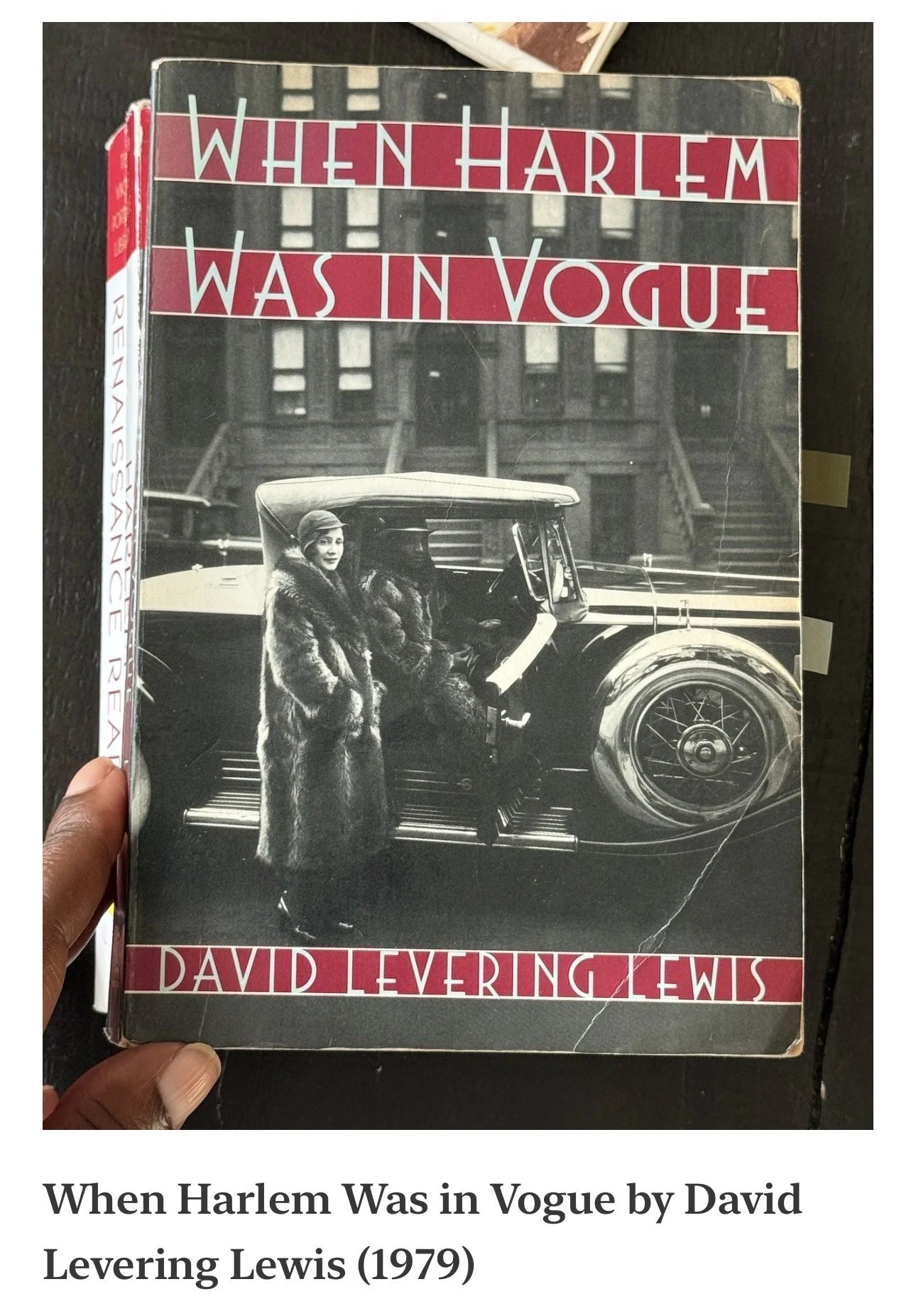
I really appreciated how clear-eyed David Levering Lewis is in this book—there are no rose-colored glasses in the way he writes about history. People often treated as revered icons, like W. E. B. Du Bois, Langston Hughes, and Zora Neale Hurston, are given nuanced treatment that shows both their brilliance and their pettiness.
The book traces the rise of the Harlem Renaissance in the 1920s and early 1930s, showing how Harlem became a center of Black artistic and intellectual life. Lewis focuses on the writers, artists, musicians, patrons, and institutions that shaped the era, including tensions around class, colorism, patronage, and respectability. Rather than presenting the period as a tidy golden age, he shows it as vibrant but complicated, full of ambition, brilliance, conflict, and very human egos.
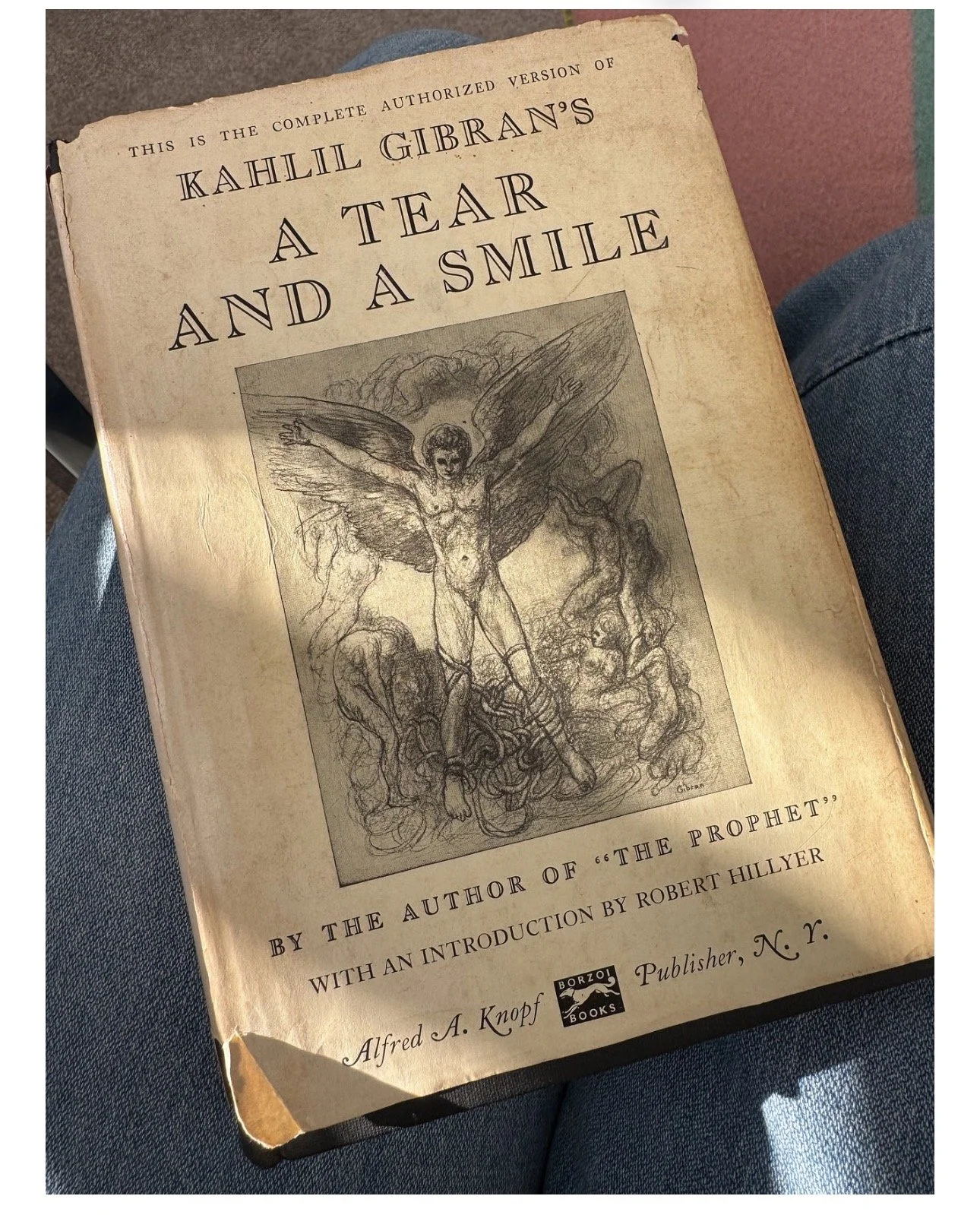
I try to read poetry daily, and in 2025 I found myself returning again and again to two collections: A Tear and a Smile by Kahlil Gibran, published in 1914, and The Weary Blues by Langston Hughes, published in 1926.
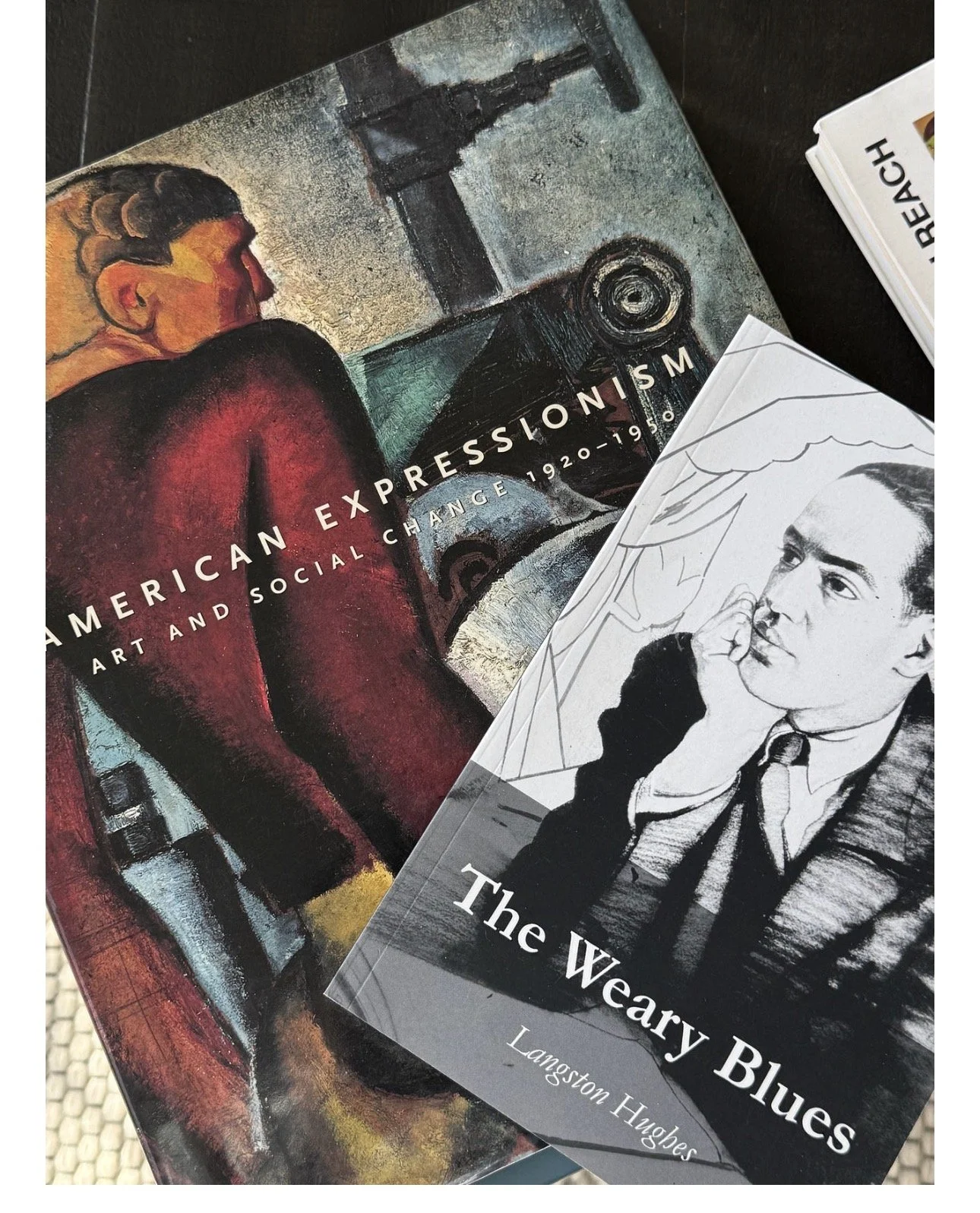
A Tear and a Smile is meditative poems and short stories, reflecting on love, sorrow, joy, and the inner life. Gibran’s poems remind us to accept the contradictions of being human. The Weary Blues, captures Black life and experience during the Harlem Renaissance in the 1920s. Hughes’s poems move between weariness and beauty, loneliness and resilience, and making everyday moments feel poetic.
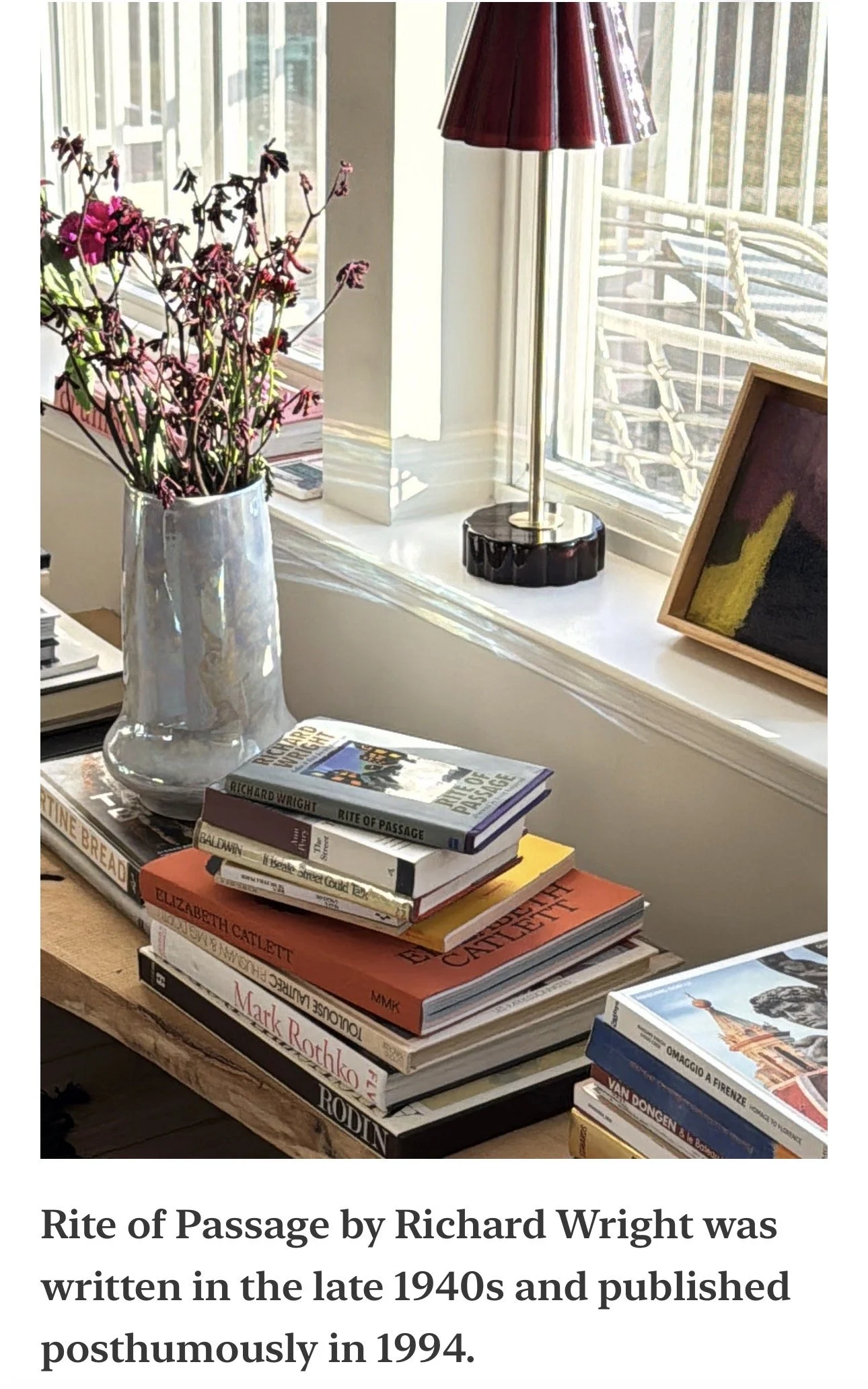
Only 140 pages long, this is a short, gut-wrenching book. I cried. The story follows a young Black boy in 1930s who learns he is in foster care and is told the state plans to remove him from the only loving home he knows and place him elsewhere. He runs away. Without the safety or structure of home, he becomes homeless and forms a new kind of family with other forlorn boys. This new “family” is held together by survival pulling him into a violent path that might have been avoided in a more just society.
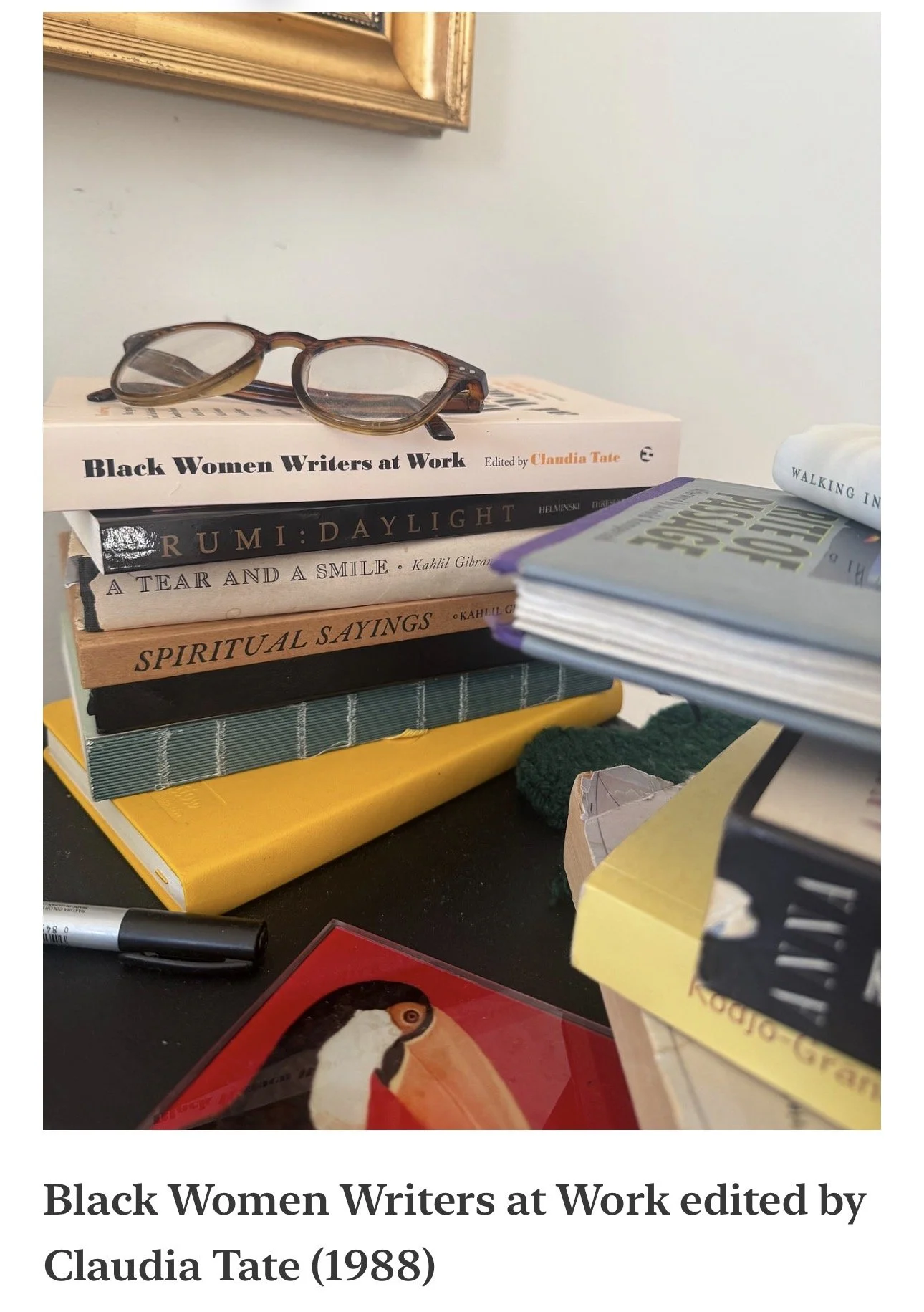
At times, opening Substack can make it feel like the only writers whose habits and reflections on writing are celebrated are Joan Didion and the fictional Carrie Bradshaw from Sex and the City. So reading this book—a collection of interviews with Black women writers who speak candidly about their craft, daily writing lives, habits, influences, and the realities of working as writers was affirming.
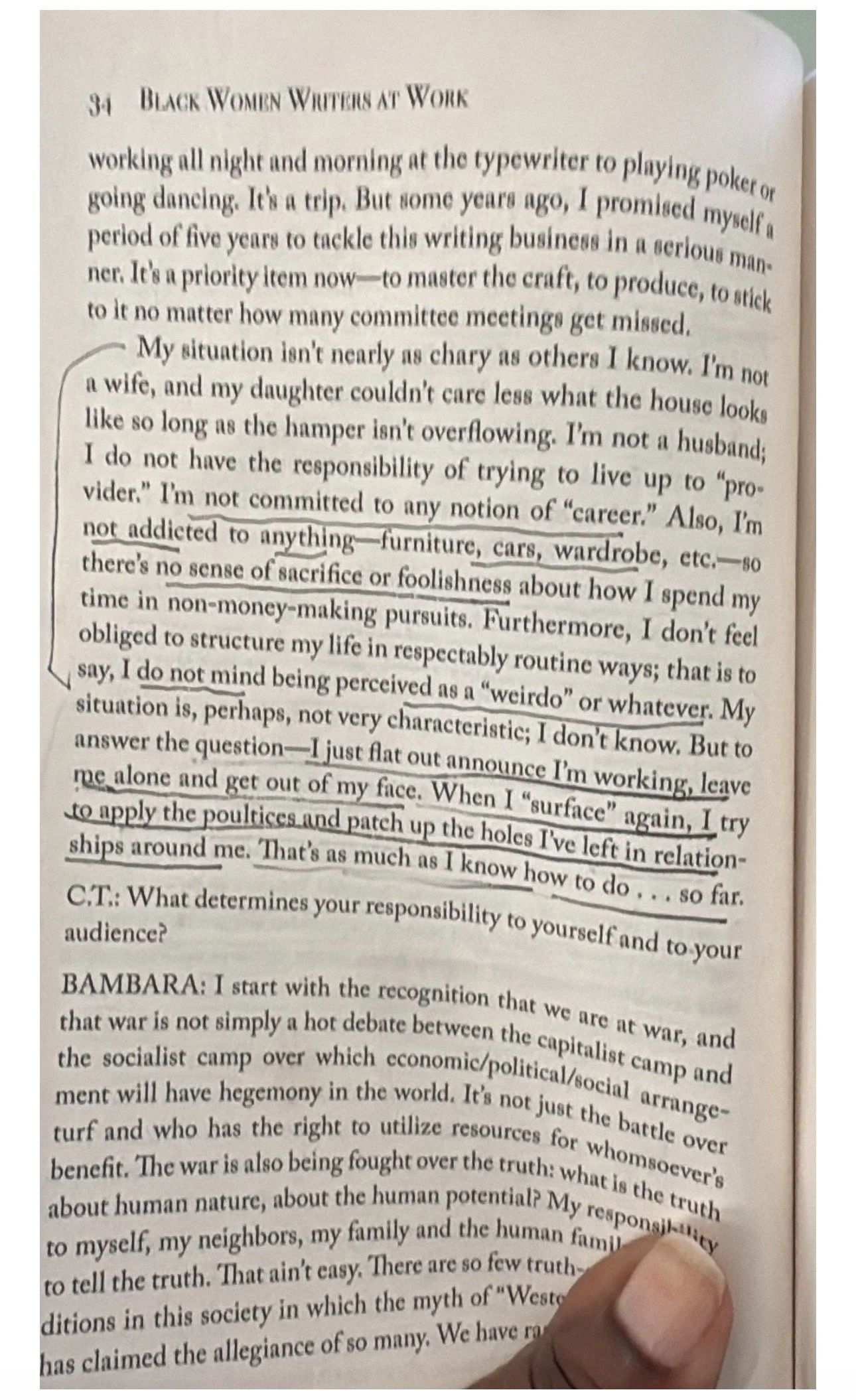
Claudia Tate asks each writer a similar set of questions about how they write, where they write, how they sustain themselves creatively, and how race, gender, politics, and responsibility shape their work. I especially enjoyed reading their reflections on discipline, doubt, ambition, and survival. I found Toni Cade Bambara’s interview to be hilarious, snarky, and unbothered. I ordered several of her books immediately after reading it.
So I read eleven books in 2025, which is well below my reading count in past years. I usually get through around thirty books a year. But once I added painting and sketching as hobbies alongside reading, my time became more limited. I don’t mind, though, finishing one book a month is a win.
One thing I learned in 2025 is that reading before bed is just as powerful—if not more so—than taking magnesium or whatever. On the nights I read, I sleep more soundly and spend less time taking stock of the day and ruminating before falling asleep.
My Reading Plans for 2026
Last year, I committed to a reading project focused on self-studying silence, solitude, and time. I’m still interested in these themes and plan to continue exploring them.
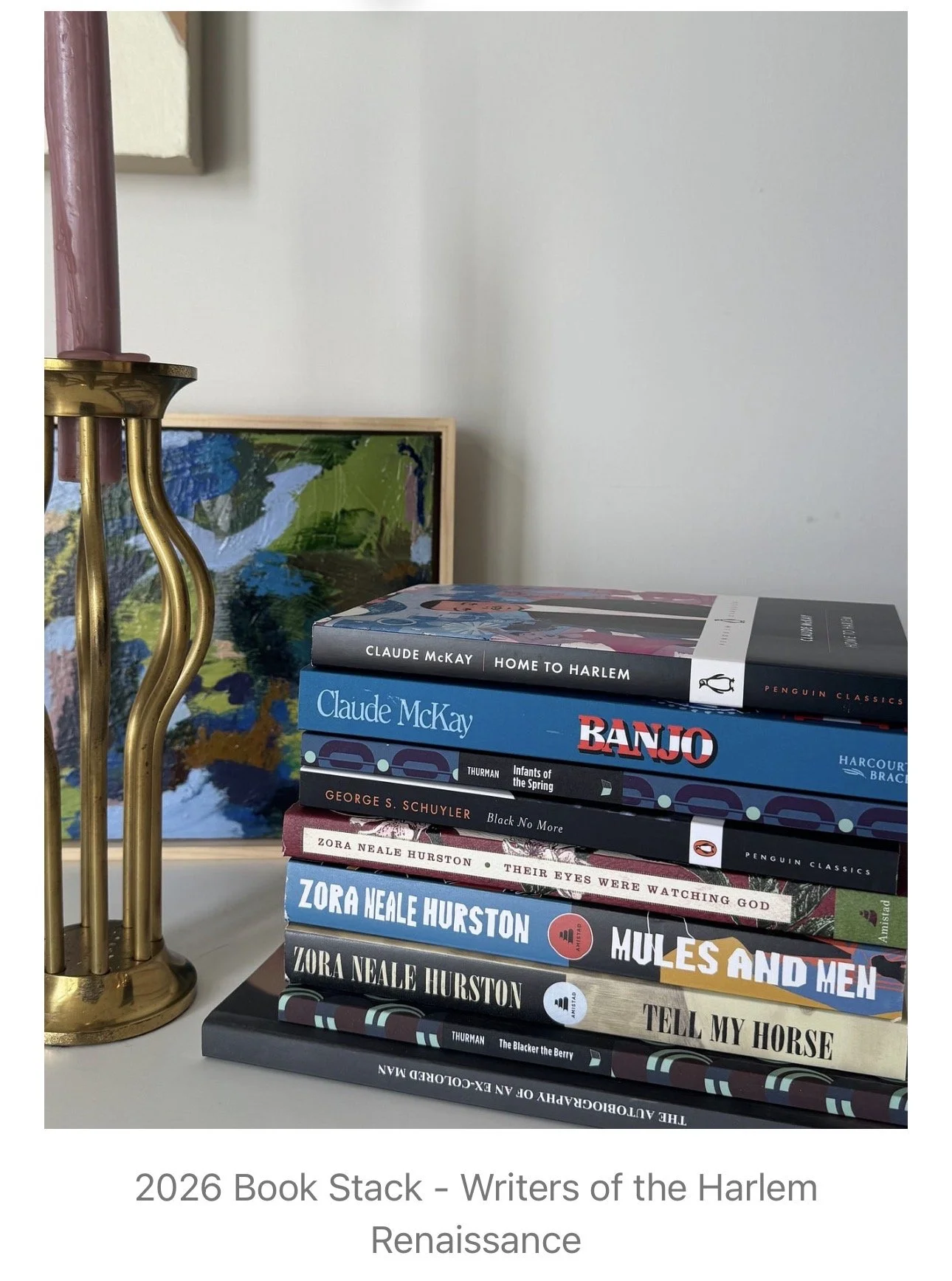
This year though, I want to zero in on the topic of time by pairing that interest with my growing curiosity about the Harlem Renaissance. I want to understand more about that time in history between 1925 and 1937. So, I’m committing to reading books written by authors during the Harlem Renaissance.
I made a list of writers and books written in the 1920s and 1930s by artists considered part of the Harlem Renaissance. I went ahead and ordered their books from Bookshop and ThriftBooks, so I now have a stack sitting nearby, staring at me, ready to be read throughout 2026.
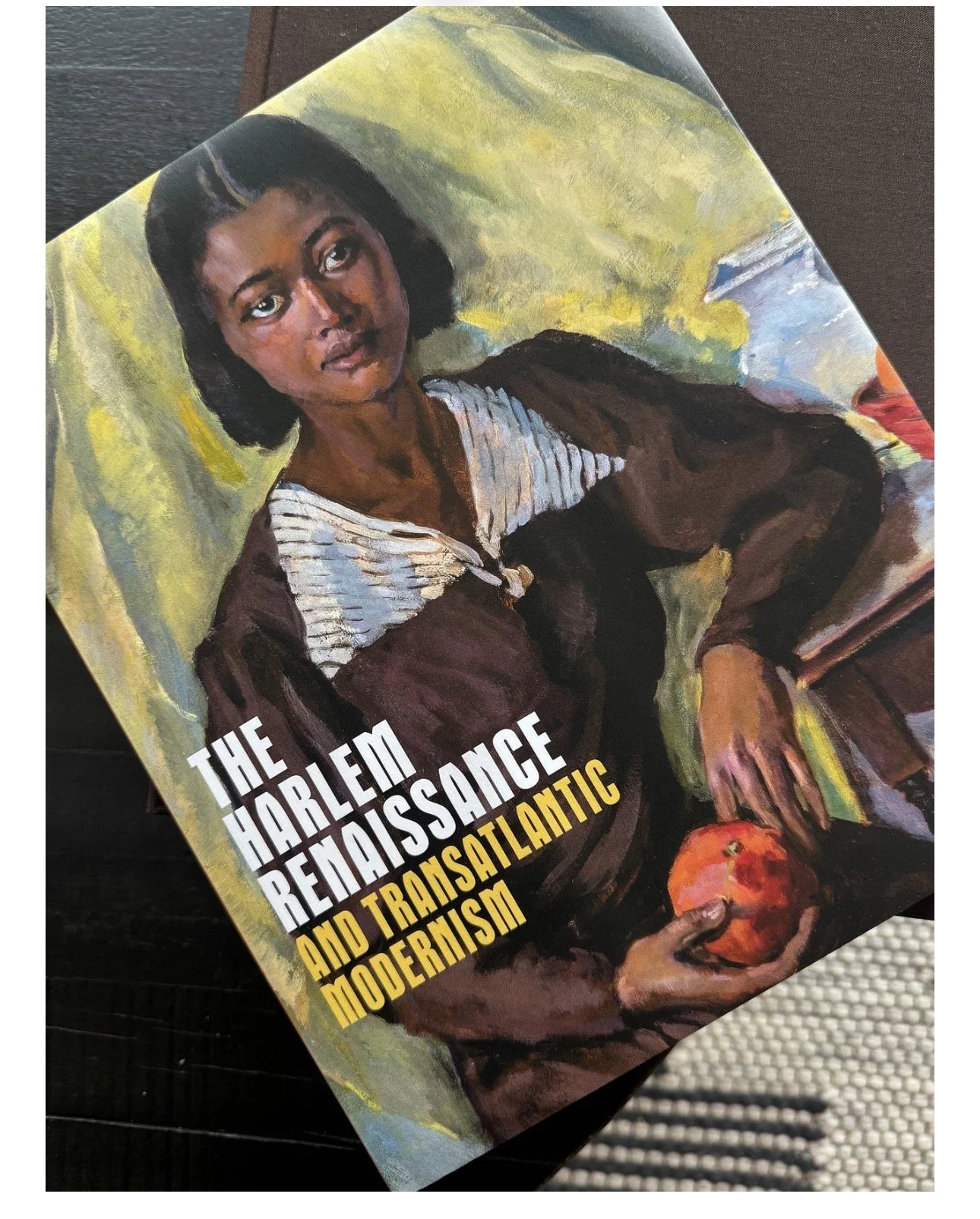
I also got this art book to explore visual artists of that time.
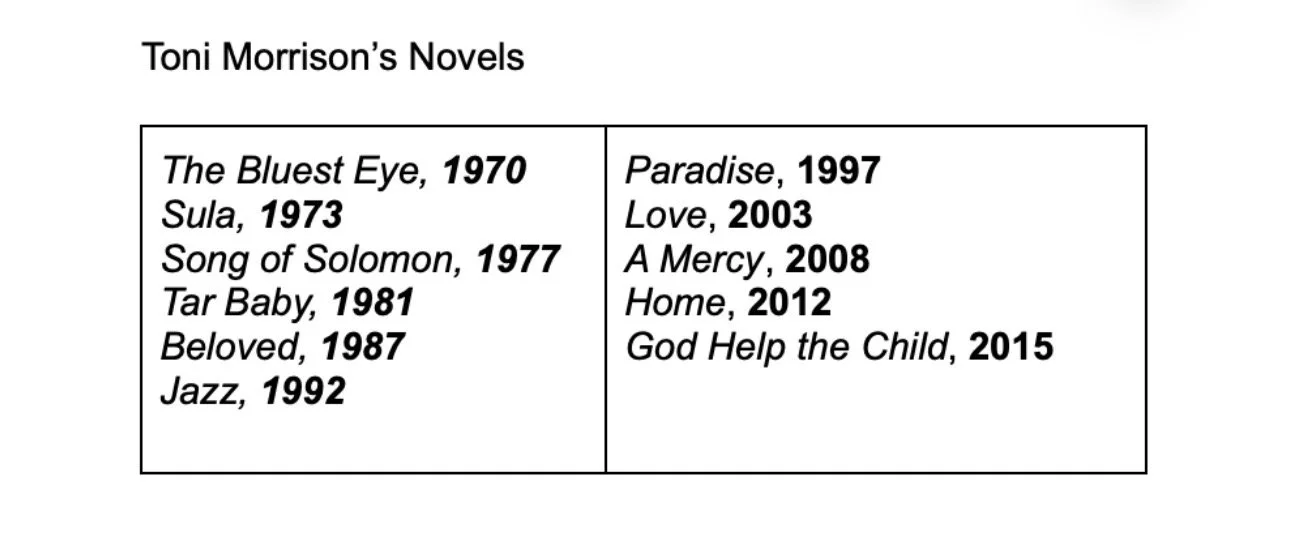
I’m also feeling the idea of reading the entire canon of a single author. While reading Black Women Writers at Work, I noticed how many of the writers spoke with admiration about Toni Morrison—both her work and her friendship. So I am starting with the queen bee. I’ve read a few of Morrison’s novels over the years, but this year I’m committing to reading all of her novels in the order she wrote them.
I’m also leaving space for the random books that find me by chance when I’m thumbing through books in a secondhand bookstore. Right now, I am reading Anna Karenina by Leo Tolstoy (1878) which is over 700 pages. I like reading a thick book in winter. As soon as I finish it, I will jump into my 2026 reading list.