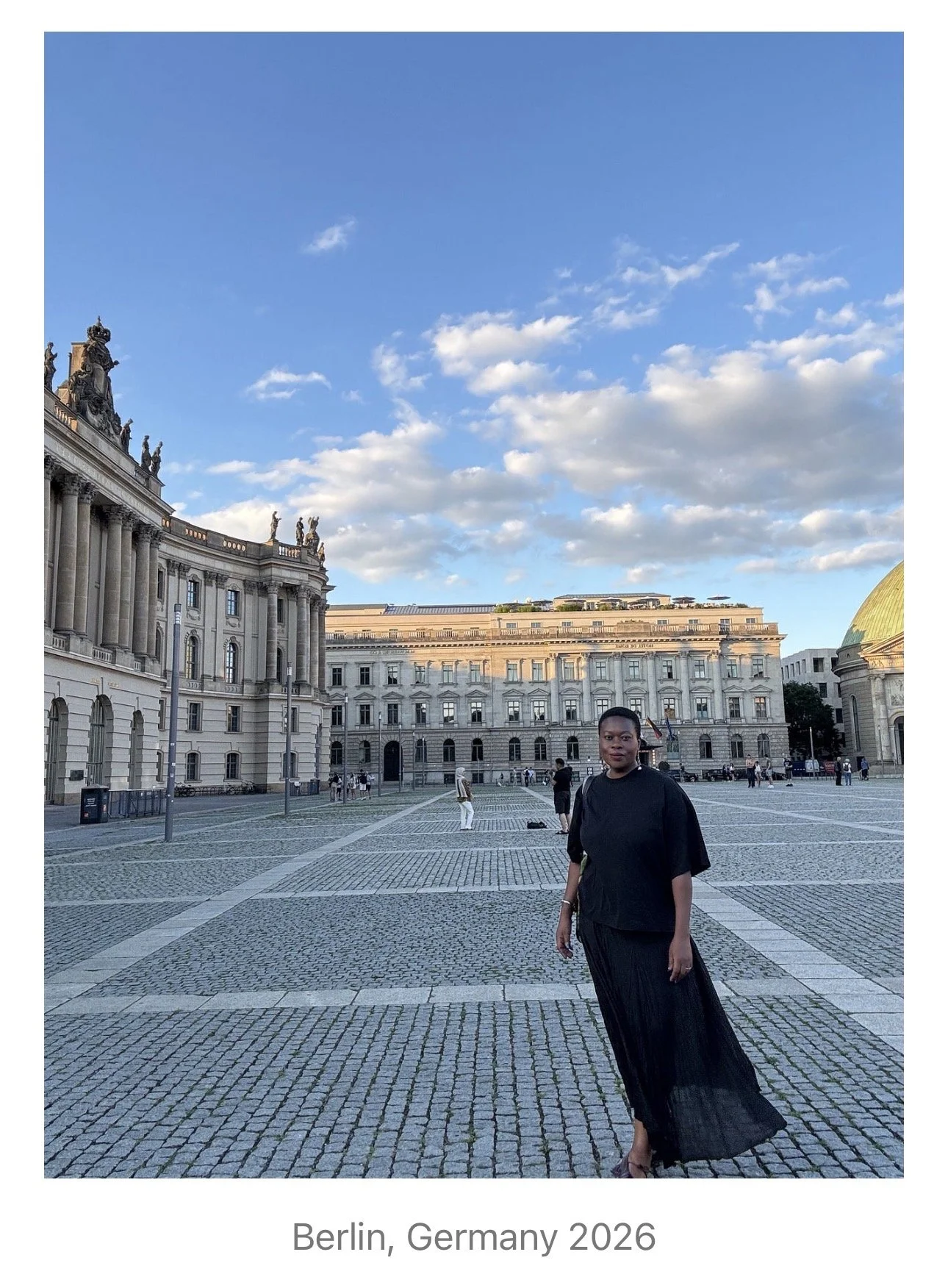
Getting Clear in Unfamiliar Places
As I sat on my couch debating where to go for my annual solo trip, I wondered why European countries sounded appealing as a place to slow down and decompress.
It’s not the “eurosummer” algorithm. I made my first solo trip to London back in 2009, long before that moniker existed.
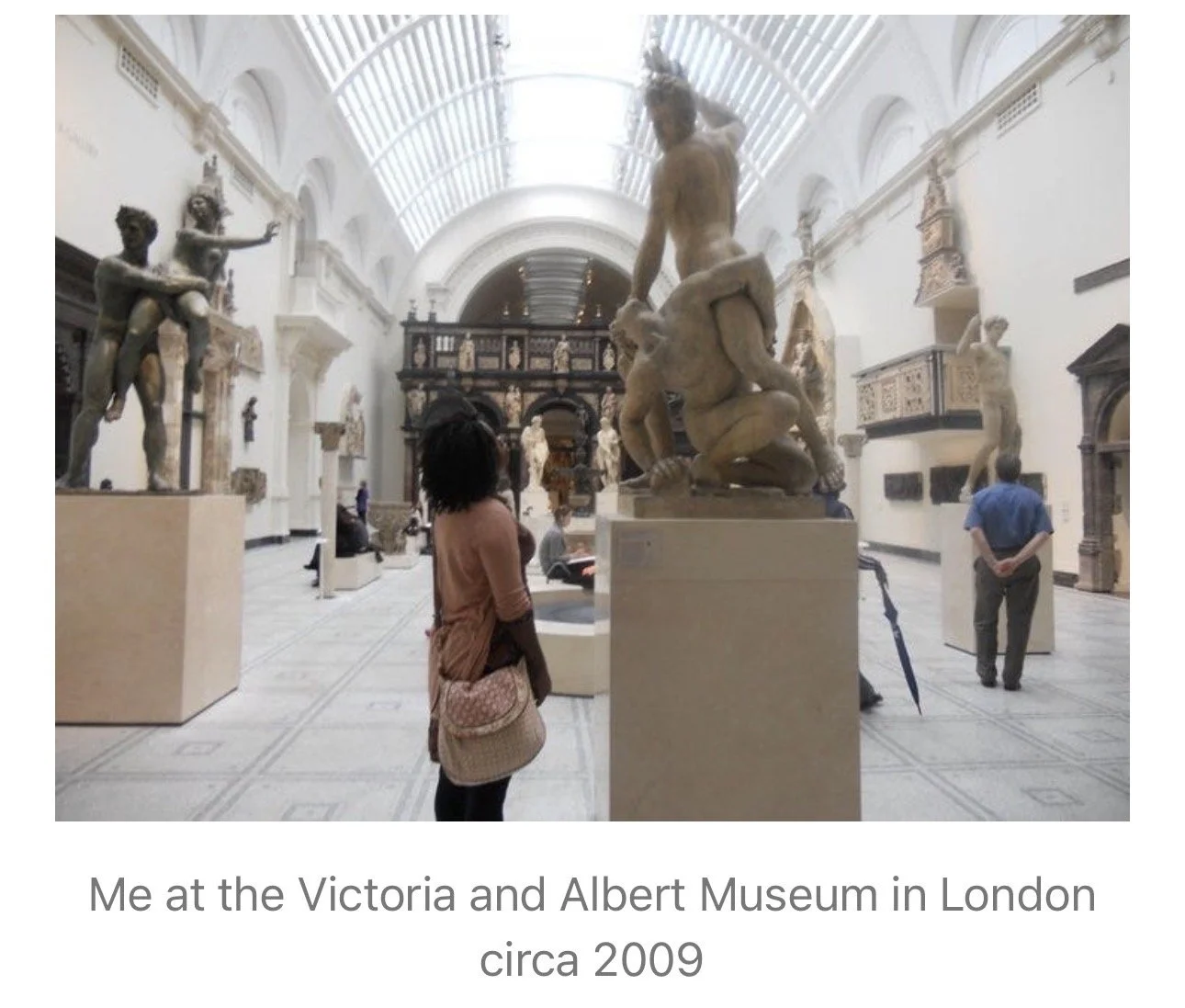
I had no answer until my third or so day in Berlin, when I found myself at the University of Berlin, the same university where W.E.B. Du Bois, the Black American intellectual born in 1868, studied sociology, the discipline that would become his life’s work and the kindling behind the Harlem Renaissance. He’s the man who first kicked off my interest in studying the Harlem Renaissance.
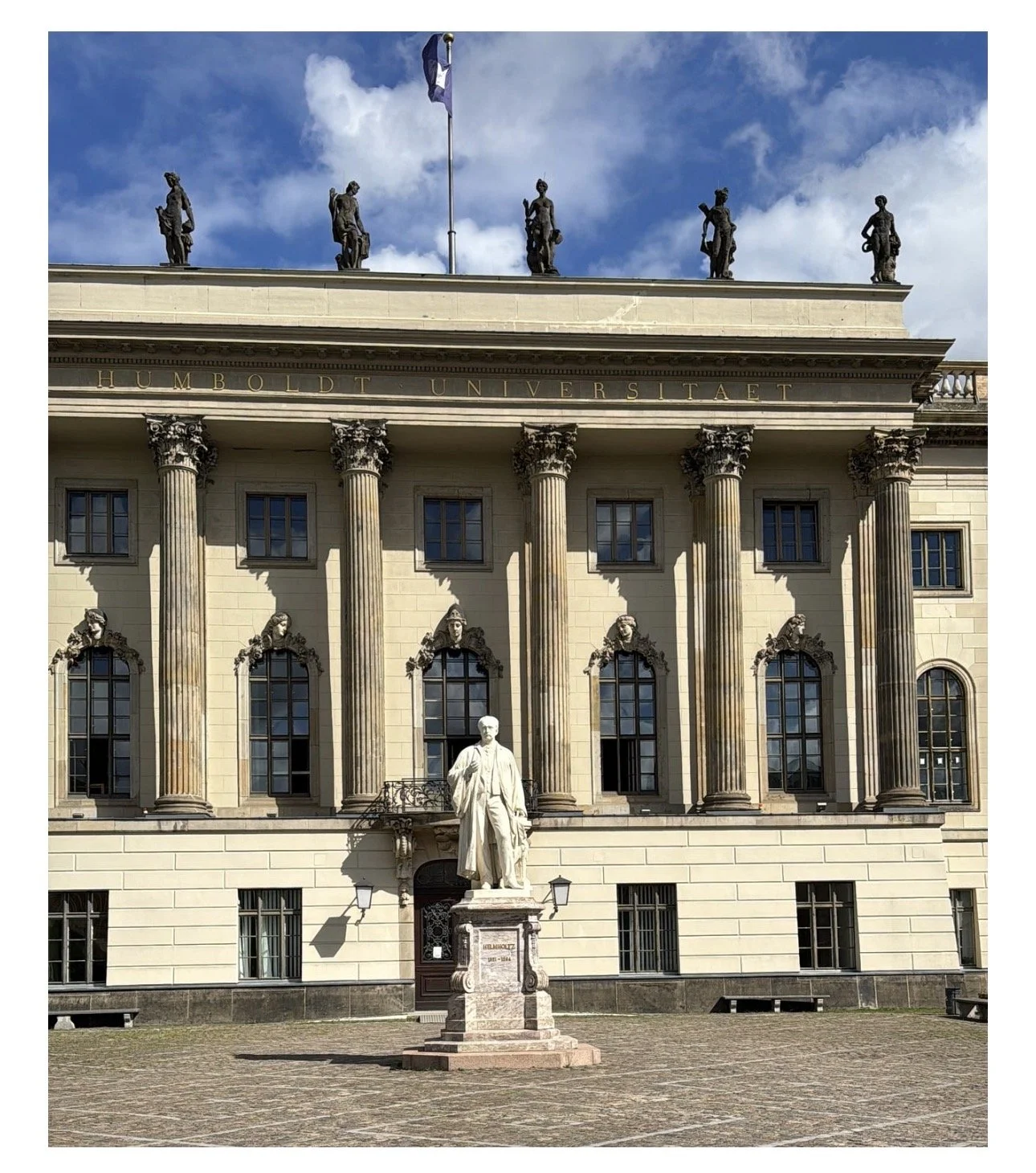
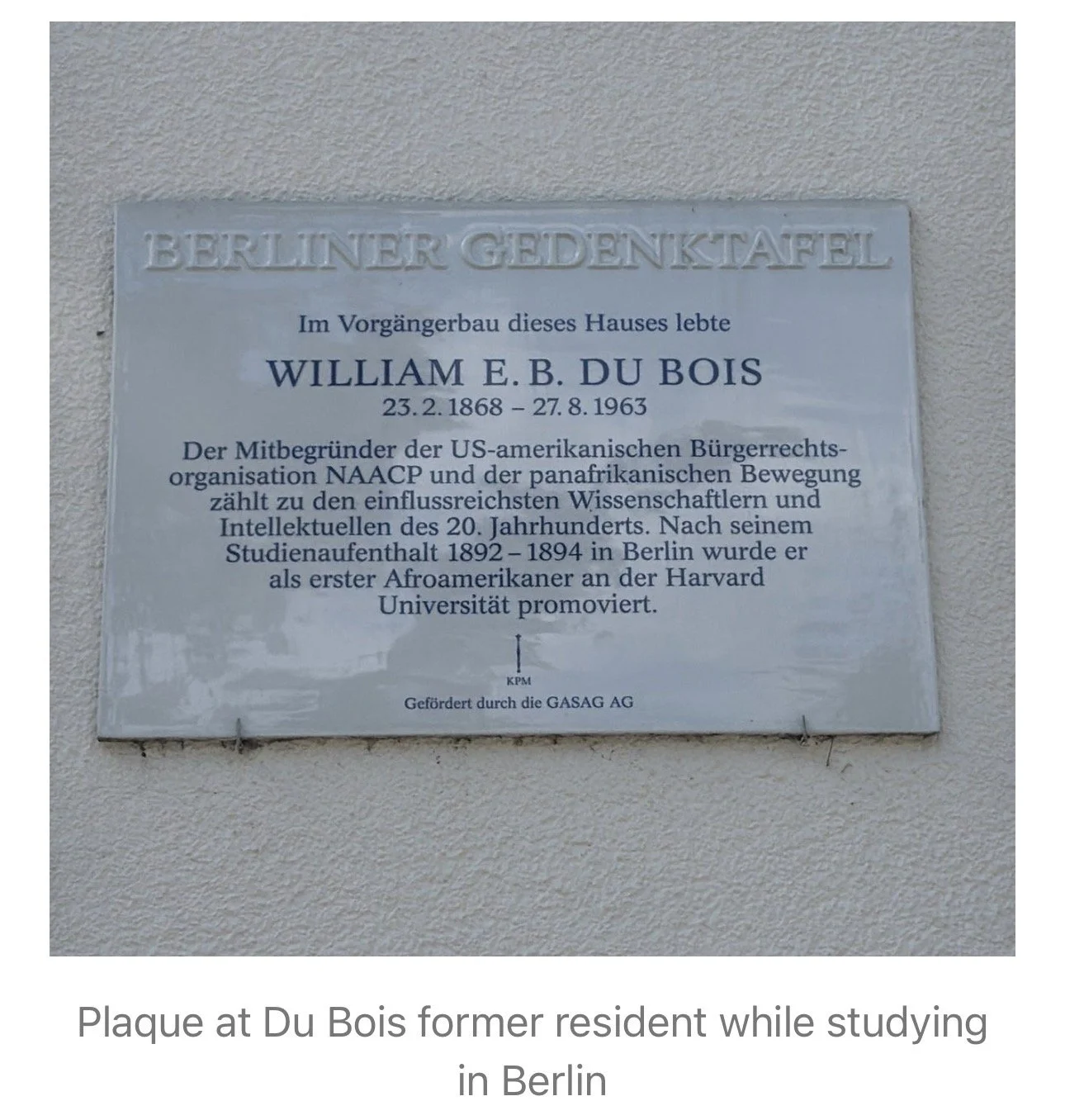
I stood in front of a memorial the university had placed in a hallway for him, marking his years in Berlin: his class photo, and a photo of him alone. It was a small memorial, not much to it, and not far from a vending machine the students used. They passed it without much of a look.
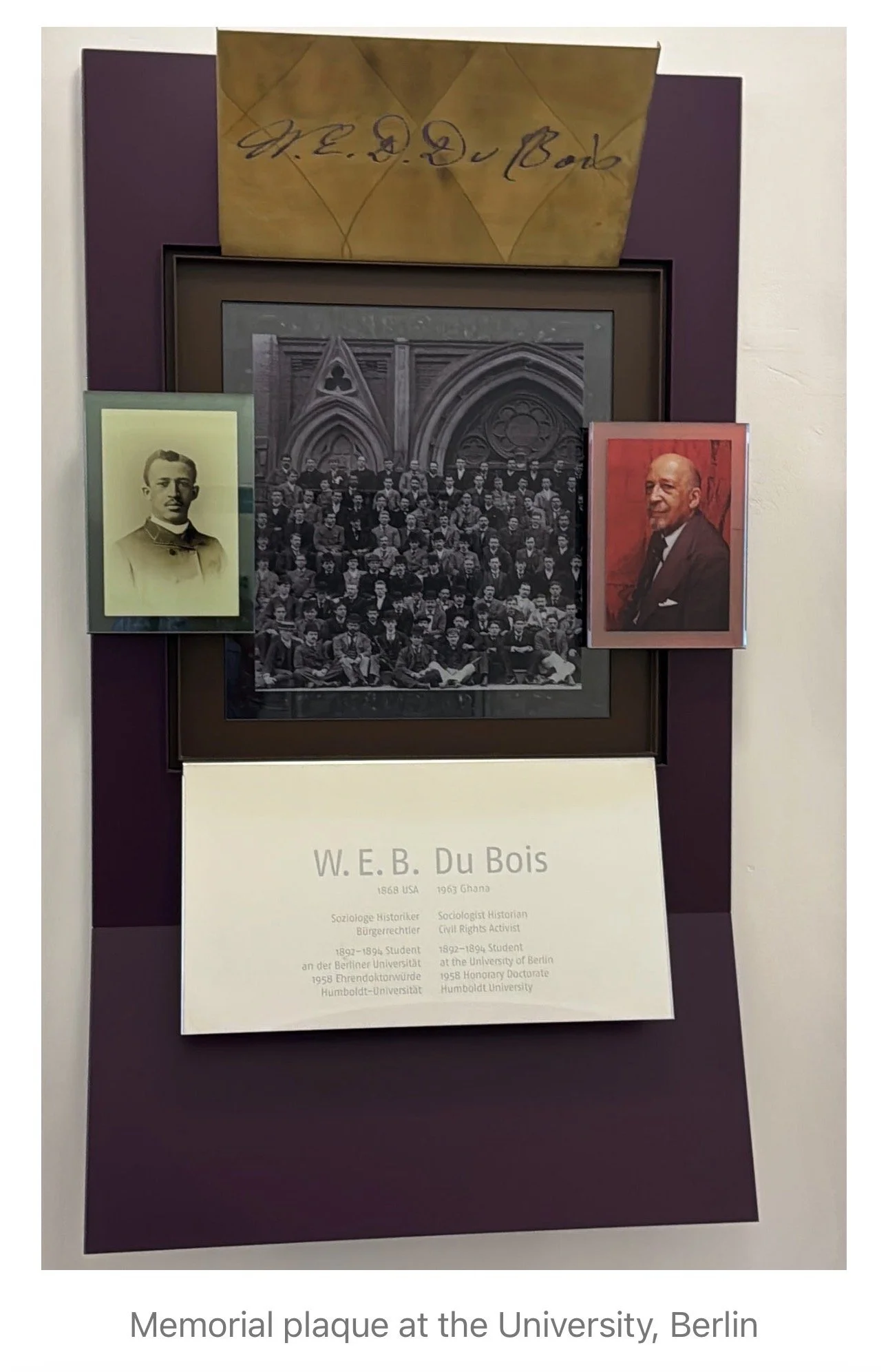
I stood there moved, and proud of this journey this man made in 1892 for the sake of learning.
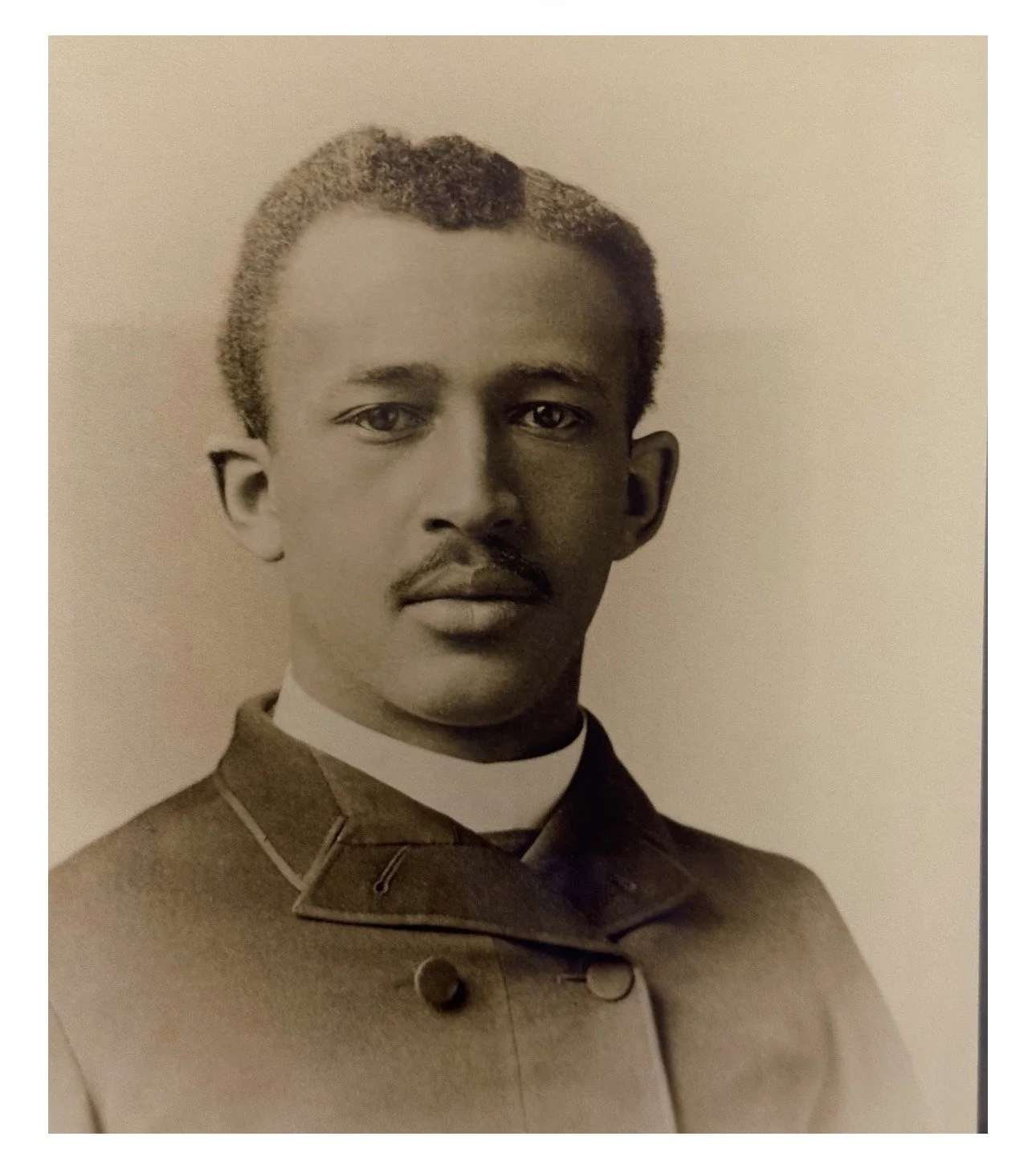
After a moment at the memorial, I went outside, sat on a bench, and started googling what Du Bois thought of his experience in Germany. Was it good, tenuous, hostile? It was the former. In his own words: “In Germany, 1892, I found myself on the outside of the American world, looking in…I found to my gratification that they, with me, did not regard America as the last word in civilization.”
He also said “I became more human.”
Before Europe, he said, he had always been in a hurry. Art, music, architecture, and everyday life there introduced him to stillness and contemplation.
As google rabbit holes go, I wanted to know what Jessie Redmon Fauset, whose canon I’ve been reading all summer, thought of her own experience in Europe. Fauset was an editor, writer, and poet who worked alongside Du Bois to midwife the Harlem Renaissance.
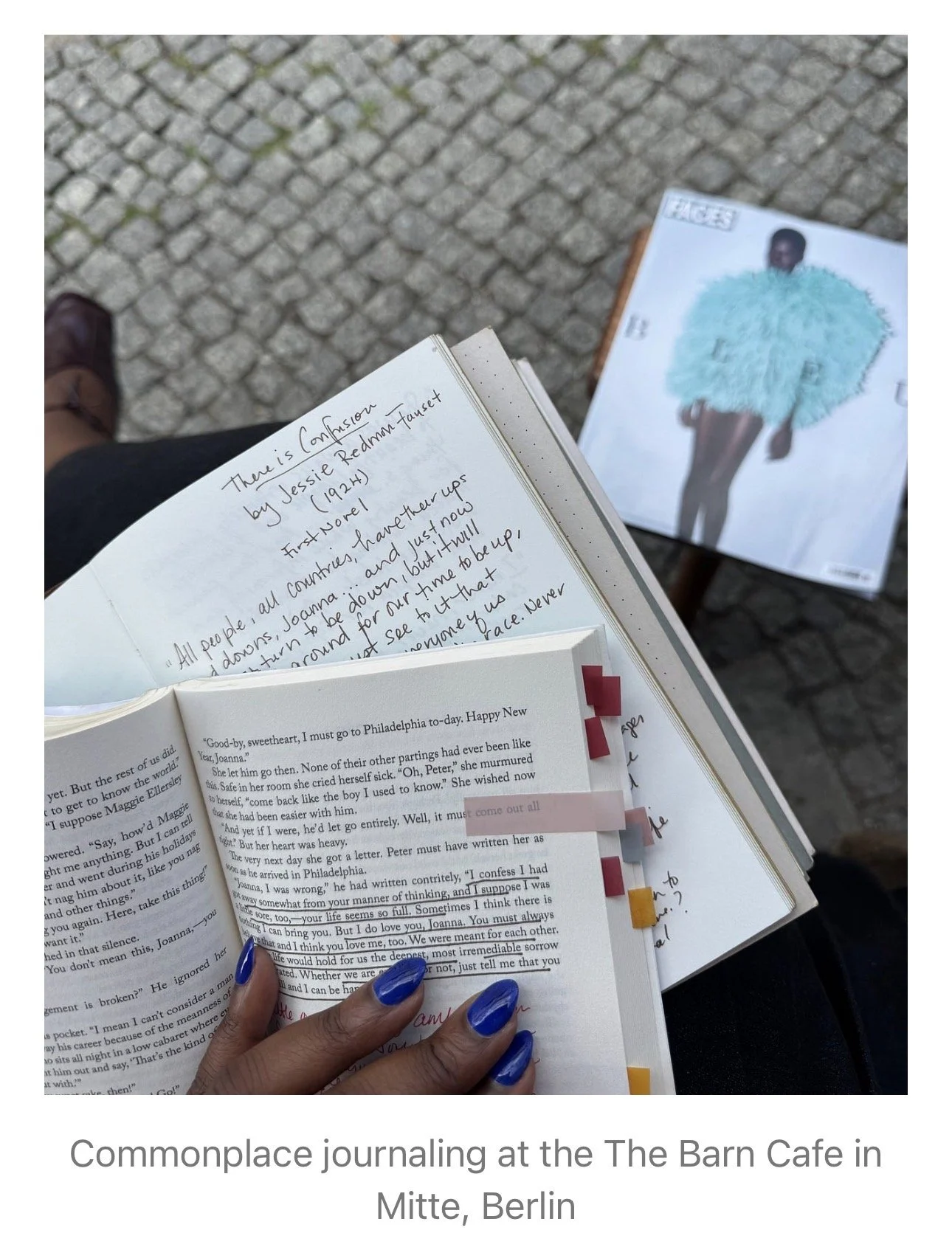
In an interview with the Paris Tribune in 1923, Fauset said Europe was a place where she recovered something America had taken from her: personal freedom, creative possibility, a more complete sense of herself.
She went on to describe Paris as a place free of the consciousness of “Thou Shalt Not” that surrounded her at home.
Fauset traveled to England, Scotland, France, Belgium, Switzerland, Italy, Austria, and Algeria. She found travel central to her creative life, and essential to her freedom to write as she wished.
It’s important to note that neither Du Bois nor Fauset saw Europe as a place to shed their identity. Fauset, to the Paris Tribune in 1923: “I am colored and wish to be known as colored.”
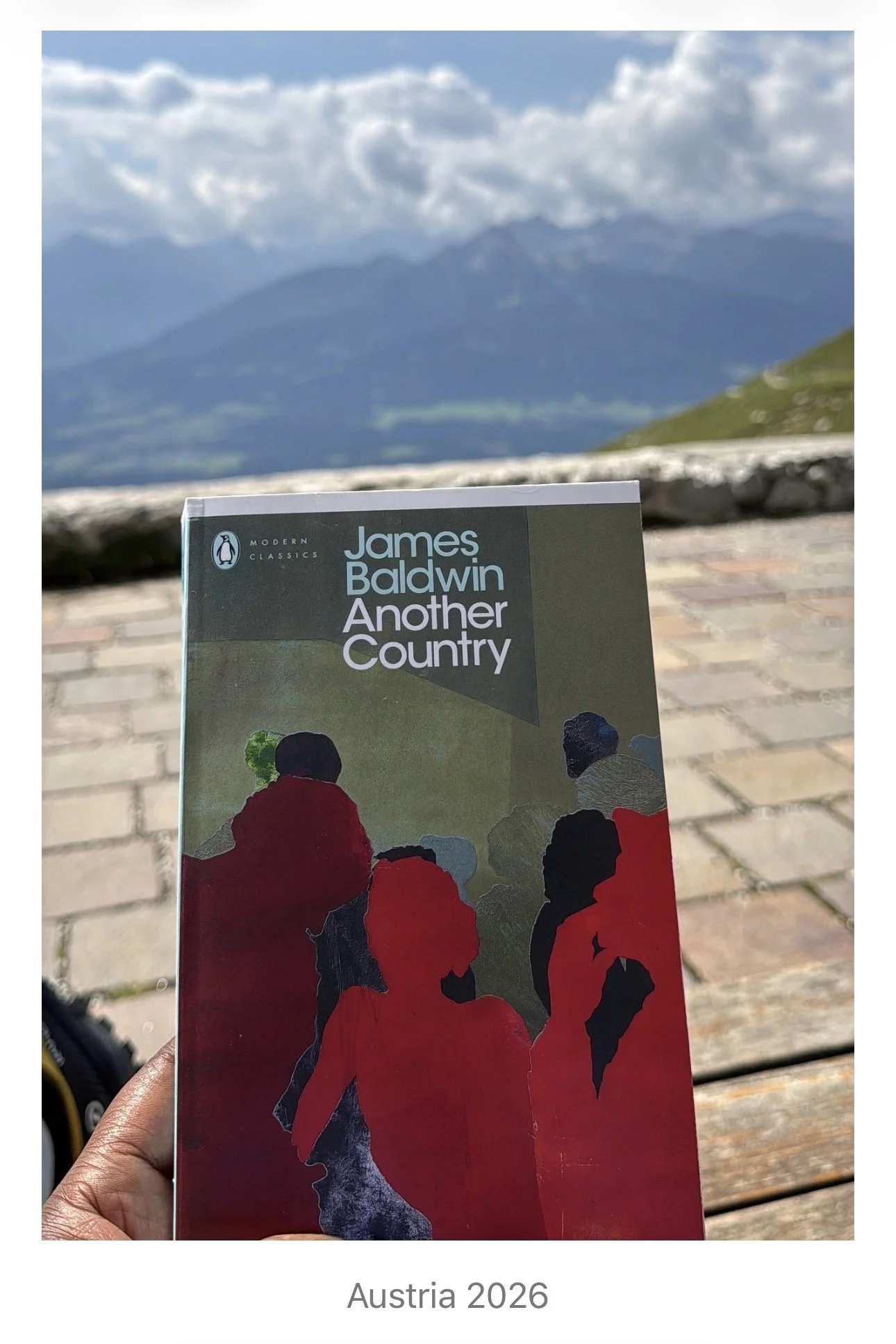
Rather, it was a place to just be. I like how Baldwin put it, in conversation with Maya Angelou: “I owe my adopted country a lot. Because it left me alone.”
Most of these quotes, over a hundred years old, resonated with me on that bench in Berlin.
As I reflected on these opinions by these writers, one’s first instinct is to think they probably arrived at this positive outlook because they experienced less racism or sexism in Europe. Maybe so. I don’t know.
But I have another hypothesis. I think it’s the arrival to a totally new place that doesn’t feel like home, where there is a language barrier and the environment feels so new and novel that you can put down some things weighing you down.
You meet new versions of yourself in unfamiliar places.
I don’t think Europe was a utopia for these writers. It could have been Japan, Thailand, India, Colombia for that matter.
At the heart of it is the sense of walking through a portal and being thrown into a new place to wander and see yourself more clearly.
Traveling also lets you leave behind roles and responsibilities from home: the responsibility to show up in this way or that, the constant scanning of your environment to make meaning and respond. Travel pauses all of this and lets your senses attune to what you actually want, your interests, curiosities and needs.
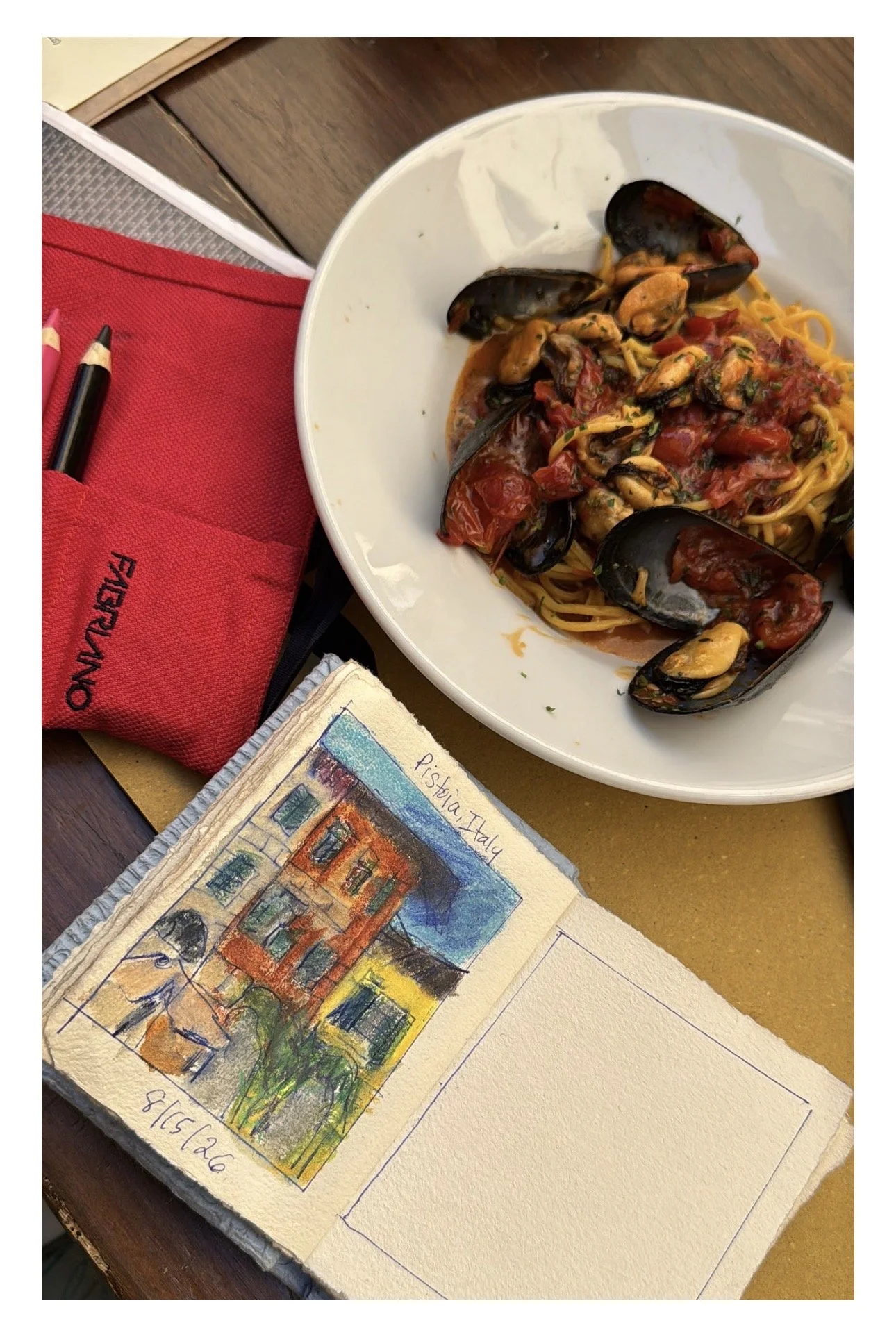
You’re also suspended in an in-between space where everything is unfamiliar and full of possibility. That’s what allows the decompression: time slows down because the expectation of who you need to be is gone.
A small but major element for me which really allows for slowing time and decompressing is the chatter of a foreign language around me, it creates a cocoon; being in my own world, not understanding the conversations around me, it gives me weeks of just hearing my own thoughts, working through things I can’t work out at home.
On the flip side, when you are flying back home and you’re at the airport gate, hearing a flood of American English as everyone lines up is so jarring. After almost a month of not understanding a word around you, and then all at once, you do again and time begins to move quickly.
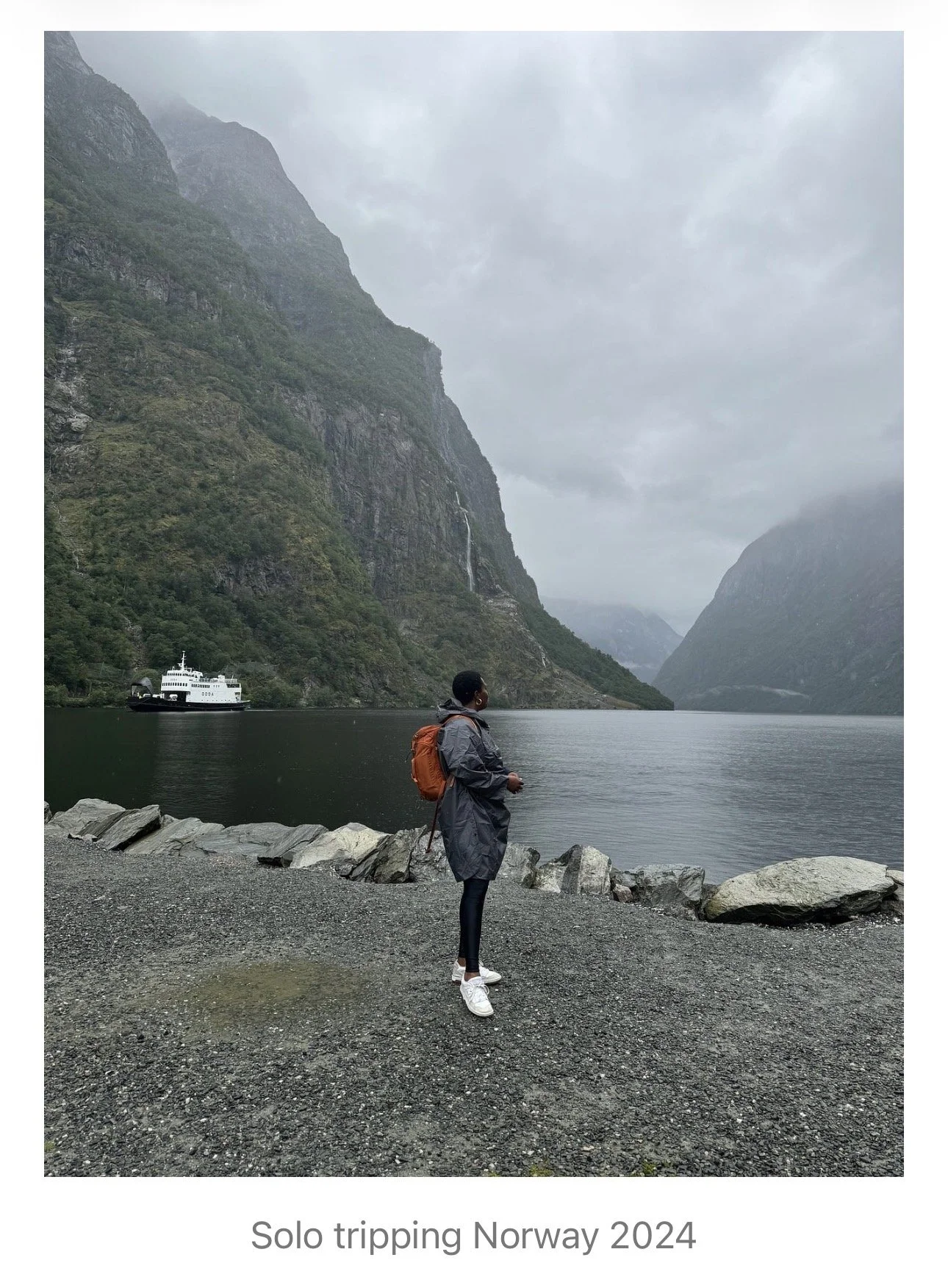
My most peaceful and restorative travel moments are in places people I know have given me a side eye for traveling to. Norway got the most eyebrow raising and it turned out to be one of my favorite solo trips.
I barely heard any English and it was just me, my thoughts, my books, museums, art, Fjord after Fjord, nature, wine, blue skies and lots of rain. Time was slow and all mine. My thoughts were so clear. That’s the measure of a true vacation and time away for me.
I suppose this is why I don’t like to see IG content creators create lists of what country is good or bad for marginalized people. I refuse the premises made in these content because I’ve already settled in my mind that every corner of this earth can be harmful for marginalized people including my own homeland, Ghana.
Ghana is often on these lists as a wonderful destination for Black travelers, but I always chuckle and say which Black people because Ghana has an atrocious stance on LGBTQ. Queer people are not safe in Ghana. Being an atheist will get you frowns and sneers.
Doing yoga on my balcony in my home in Ghana generates whispers from my mom’s neighbors and comments about me practicing demonic yoga.
I often find myself covering my innocent lotus flower tattoo when I am in Ghana because the stares at the market are too much. So yeah, no, Ghana isn’t safe for everyone and no country will ever be.
I honestly don’t think you can find full acceptance anywhere. So I’ve stopped treating travel like a search for somewhere that I’ll somehow fit in and belong. I don’t want to belong. I want to be left alone like James Baldwin said about Paris. I want to remove all the “Thou Shall Not” like Jessie Redmon Fauset’s articulated.
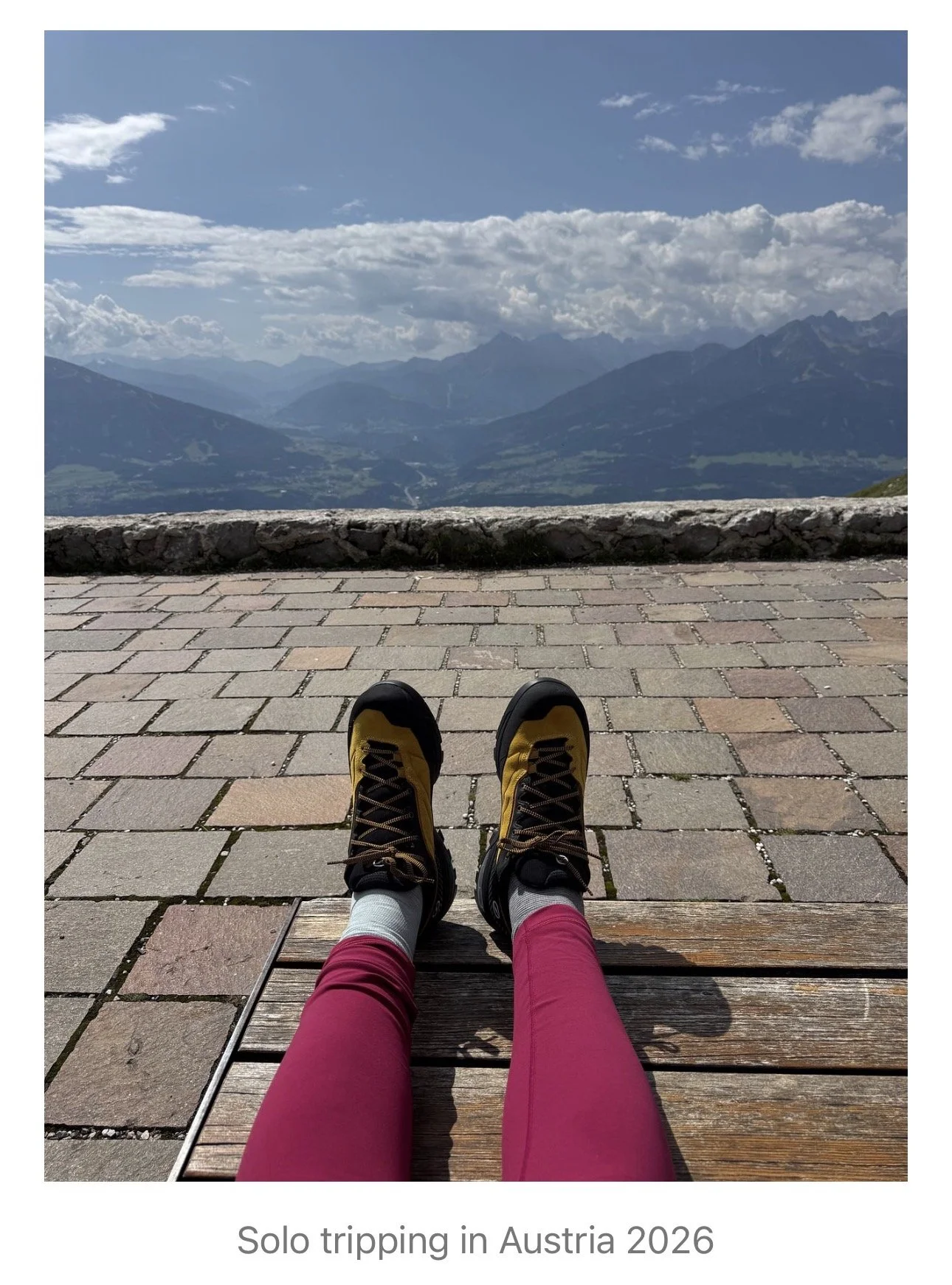
What I’m actually using travel for is to get clear. For clarity. Time away from everything familiar so I can hear myself think. On this summer solo trip to Berlin, Austria, and Italy, my experience there didn’t ask anything of me, which meant for a month my life was my own without expectations. I think that’s what Du Bois, Fauset, Langston, and Baldwin also found in their travels abroad.